
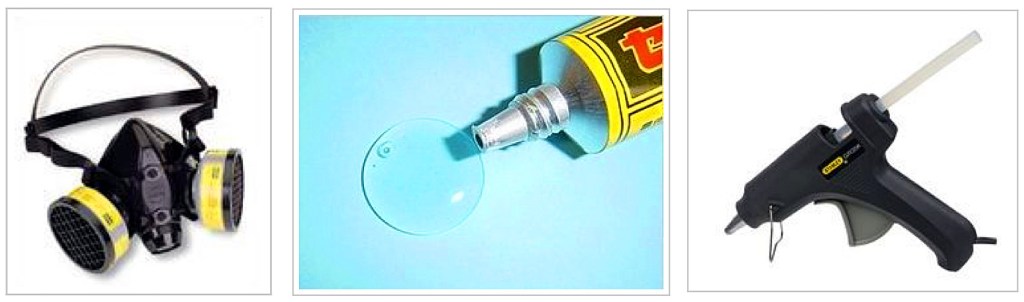
Toxicity of Adhesives and Hot Glue
nitrocellulose adhesive (Wikipedia) | air purifying respirator | glue gun
also: Spray Foam and Styrofoam
By Angela Babin, MS
and editorial
A variety of adhesives are used in many different art, technology, and maintenance applications. Types of adhesives range from nontoxic children’s paper pastes to highly toxic casein glues and rubber cements. Adhesives can contain hazardous solvents, plastics, and preservatives. Many adhesives contain solvents that are toxic by inhalation and skin contact.
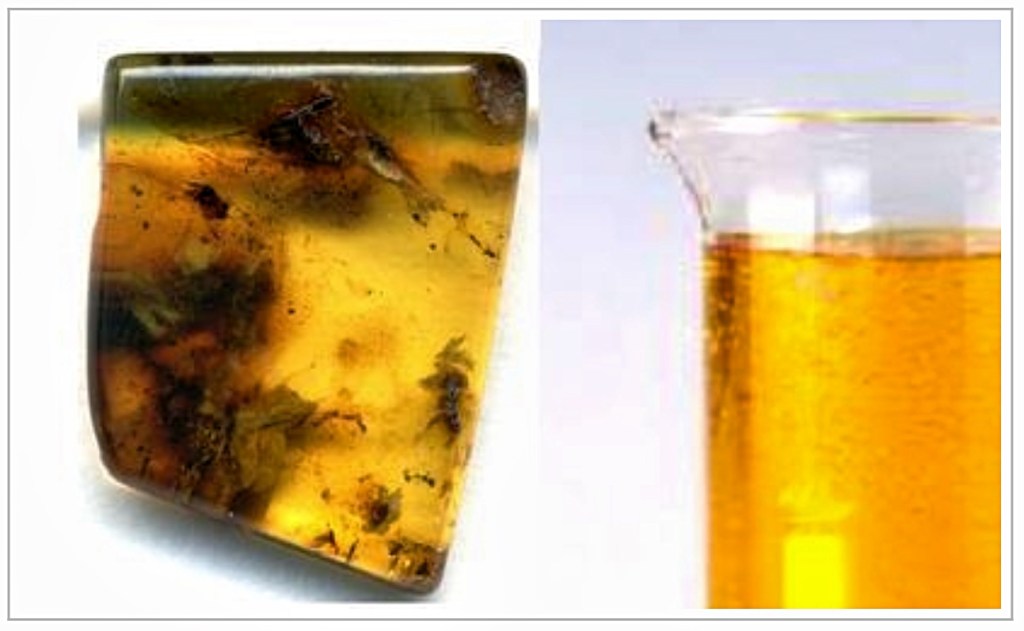
phenol formaldehyde resin, an industrial wood glue
It is thought that Mark Rothko suffered ill health from phenol formaldehyde glue which he used as a painting medium

Sabina Ott: Multi Media Assemblage, 2011. The Chicago based painter and multi-media artist made extensive use of adhesives and styrofoam in support of a postmodern aesthetic
Contact Adhesives
(e.g. Liquid Nails etc.) For example, rubber cements and contact adhesives usually contain n- hexane, which can cause peripheral neuropathy. Glues used in furniture repair, leatherwork, etc., often contain hazardous solvents like toluene and naphthas. These are hazardous by skin contact and inhalation, and most are flammable.
Epoxy Glues
Some adhesives work by polymerization of hazardous monomers. Epoxy hardeners can cause skin and respiratory irritation and allergies. Epoxy resin is irritating, can cause allergies, and certain ingredients like diglycidyl ethers are suspected carcinogens. Acrylic plastic glues can contain methyl methacrylate, and instant bonding glues contain cyanoacrylates. These ingredients are skin sensitizers and irritants, and the vapors may cause headaches, appetite loss, and low blood pressure. The cyanoacrylate glues can also bond skin.
Wood Glue
Woodworking glues range from nontoxic polyvinyl acetate (PVA) emulsion glues that are water-based, to hazardous resorcinol formaldehyde resins that release formaldehyde gas. Formaldehyde is a skin, eye, and respiratory irritant and sensitizer, and is a suspected human carcinogen. Other wood glues may contain toxic phenol preservatives.
Aerosol adhesives are sprayed, resulting in the inhalation of rubber or plastic particles, along with the inhalation of fumes.
Hot Glue Gun Safety
The hot glue gun has become the most commonly used tool for the quick and effective application of glue and adhesive to many surfaces and objects.
Most online sources portray the process as safe and ‘nontoxic’, also for kids and for crafting.
molten plastics and reactive chemistry, so there is little chance the process is risk- free.
Hot glue guns emit ethylene gases during application, which are a known carcinogen, and they are also highly flammable.
The chemistry can be so volatile and reactive that even tough materials such as polypropylene plastic melts and is eroded by molten glue sticks.
For safe use, it is always recommended to use strong exhaust extraction or ventilation (open windows?), as well as a vapor mask with carbon filter to protect airways from the intake of carcinogenic fumes.
Many users often also experience severe burns from contact with the hot glue or the heated elements of the device during use.
Caution is advised!
Spray Glue
The process always involves various solvent and propellant ingredients. N-hexane is a common solvent used in these spray formulations. Both solvents and aerosol propellants are fire hazards.
Wheat Paste
Wheat paste — especially the wallpaper paste variety — often contains toxic preservatives, such as pentachlorophenol, arsenic, or mercury derivatives. Wallpaper pastes with these toxic ingredients have sometimes been found in elementary schools.
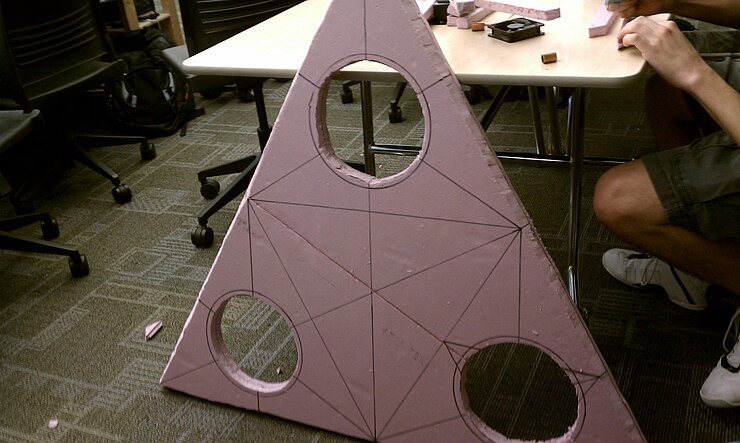
extruded polystyrene; the material offers endless creative possibilities, but users frequently neglect the need for extraction and respiratory protection while working with styrene based foams. (Wikipedia)
do not paint styrofoam materials with acrylics – hazardous reactions will occur.
Styrofoam
The foam’s base material, styrene monomer, is a carcinogen; plastic- and rubber-industry workers exposed to the unreacted monomer suffer higher rates of some types of cancer. As styrofoam has become a very popular art making material, there is some evidence of high rates of cancer in artists making or shaping styrofoam for sculptural purposes.
Precautions
- Substitute the safest glue possible. Try to use water-based adhesives, especially with children. These may take longer to dry, but can efficiently and safely do the job. One can substitute glue sticks for rubber cement for adhering paper in elementary schools. Only use nontoxic wheat pastes that do not have preservative additives.
2 For paste-up of mechanicals and similar processes using rubber cement, waxing often can be substituted.
3 Use solvent-based glues in a well-ventilated space (e.g. window exhaust fan). If large amounts are being used, local exhaust ventilation such as a slot exhaust hood is necessary. Placing the work table up against a window with an exhaust fan at work level is also effective. Eliminate all sources of ignition such as flames, sparks, or lit cigarettes. - Spray adhesives could be used outdoors for occasional projects, or in a spark-proof spray booth that exhausts to the outside. Spray adhesives can sometimes be replaced with dry mounting processes, rubber cement, etc.
is considered extremely dangerous

Full Site Map: a l l p a g e s / t o p i c s
Art Hazard News, Volume 12, No. 6, 1989
Additions: 2024
This article was originally printed for Art Hazard News, © copyright Center for Safety in the Arts 1989. It appears on nontoxicprint courtesy of the Health in the Arts Program, University of Illinois at Chicago, who have curated a collection of these articles from their archive which are still relevant to artists today.