
Artmaking, Art Education, Paint, Solvent and Print Safety, Consumer Protection, Art School and Studio Safety, and The Law

Sickness from toxic Exposure, Law Suits and Health Impairment Claims, and Incidents in Visual Art Practice and Education
(Health in The Arts)
NOTE on safety data sheets (SDS) formerly called MSDS these are now GHS SDSs (Globalized Harmonized System)
90% NIOSH / OSHA BUDGET CUTS
“Cuts to NIOSH and OSHA are an Imminent Threat to All Workers“
“The cuts took effect on June 1 and were projected to reduce the NIOSH workforce from around 1,400 employees to less than 150—which will lead to a loss of at least 90 percent of the workforce and eliminate nearly all NIOSH programs. As of June 9, the agency also faced an 80 percent reduction in budget, according to the Department of Health and Human Services.”
quoted from:
https://www.clasp.org/blog/cuts-to-niosh-and-osha-are-an-imminent-threat-to-all-workers
(2026)
selected essays first published by the Center for Safety in The Arts
Solvents and Brain Damage
For example, a former New York City art teacher, Faye Tesler, said she suffered brain damage after four years of doing silk screening with students without adequate ventilation in the classroom. Her symptoms included loss of sensation in her hands and feet, neurological and personality changes, memory loss, difficulty concentrating, confusion and loss of manual dexterity, which her physicians attributed to high exposure to the toxic solvents found in silk screening printing inks. Ms. Tesler, who sued the city and Board of Education for negligence resulting in her permanent brain damage, agreed to settle her suit out of court for $500,000.
And in Philadelphia, an art school student developed a degenerative nerve and muscle disorder of a type known to be caused by n-hexane, a solvent in the rubber cement and thinner, spray adhesives and fixatives she often used in school. Her symptoms included unexplained falls, headaches, fatigue, weight loss, difficulty talking and swallowing, breathing problems and eventually partial paralysis. The student, whose health problems persist three years after their onset, filed a lawsuit against the Art Institute of Philadelphia last February, asserting that unsafe practices at the school were responsible for her nerve damage.
The center, in New York City, has lobbied successfully for better labeling of hazardous art materials and for bans of substances for which safer alternatives are available. Dr. Michael McCann, the director of the center, pointed out that years can pass before an identified hazard finds its way onto the product label.
”It is still largely a matter of caveat emptor,” he said in an interview. The center publishes a newsletter and information bulletins to warn artists of potential risks and how to avoid them. Good ventilation, usually in the form of an exhaust fan, and basic hygienic practices to prevent toxic materials from entering the body through the mouth and skin are among the preventive measures Dr. McCann and others emphasize.
Dr. McCann noted that many artists work where they live and are exposed to the toxic agents 24 hours a day, seven days a week. In some cases, pregnant women, spouses and children are similarly exposed. In industry, environmental controls would be required by law to prevent worker contamination with the same chemicals, dusts and metals artists commonly use. No such protective regulations govern the workplace of the independent artist. Survey of Musicians
In music, a medical organization and quarterly journal, Medical Problems of Performing Artists, have been established to promulgate new findings among interested professionals.
Lawsuit against Naz-Dar and Architect
Attorney Frederick R. Hovde has filed lawsuits against an architect for a junior/senior high school and against Naz-Dar and other defendants on behalf of the estate of Indiana art teacher Theresa Staley, who died of leukemia alleged to be caused by silk screen products.
The lawsuit against Naz-Dar is based on a theory of failure to warn about the hazards of their products. The lawsuit against the architect who designed the art room where Mrs. Staley taught is on the basis of negligent design for failure to provide for adequate ventilation. This is the first case claiming negligence on the part of an architect designing an arts facility that has come to the attention of the Center for Safety in the Arts.
Art Hazard News, Volume 18, No. 1, 1995
This article was originally printed for Art Hazard News, © copyright Center for Safety in the Arts 1995
Art School Pays $260,000 in Lawsuit
The Art Institute of Philadelphia, an art school specializing in commercial art and fashion, recently settled a lawsuit by paying $260,000 to a former student who had developed nerve damage while attending the school. The student alleged that her illness was caused by hexane and other solvents in rubber cement and rubber cement thinner, spray adhesives, and spray fixatives, and that the school had not informed her and other students of the hazards, nor had proper ventilation.
An on-site inspection of the school by Dr. Michael McCann of the CSA confirmed the lack of ventilation and other precautions. After the settlement was announced, the student’s attorney, Thomas L. Gowen, said that this was “a very difficult case and that the plaintiff had severe damage from solvents due to poor ventilation.” He also stated that “hopefully this will encourage other art schools to look at their ventilation and prevent further illnesses of this type.”
Art Teacher Sues and Wins
New York City junior high school art teacher, sued the NYC Board of Education and the City of New York claiming inadequate ventilation in her classroom caused brain damage from silk screen printing between 1981 and 1985. The lawsuit was just settled for over half a million dollars, and the client was able to sue the NYC Board of Education and the City of New York because NYC teachers are not covered by workers’ compensation.
The teacher had been teaching silk screen printing with solvent-based inks in a room without any ventilation, and many of the windows nailed shut. A standing fan was finally provided in 1984 after repeated complaints about lack of ventilation. This, however, was not adequate ventilation since it doesn’t exhaust the contaminated air, but just stirs it around. Her symptoms included loss of sensation in hands and feet, neurological and personality changes, memory loss, inability to concentrate, confusion, problems with manual dexterity – all symptoms of brain damage associated with high exposures to the solvents found in these silk screen printing inks.
The Center for Safety in the Arts recommends against silk screen printing with solvent-based inks in public schools because of the high hazard associated with many students doing printing at the same time. Instead, we recommend using water-based inks with either paper stencils or photostencils, thus eliminating the solvent exposure.
Art Hazard News, Volume 11, No. 9, 1988
This article was originally printed for Art Hazard News, copyright Center for Safety in the Arts 1988. It appears on CAR and on our site courtesy of the Health in the Arts Program, University of Illinois at Chicago, who have curated a collection of these articles from their archive which are still relevant to artists today.
Healing the Arts
By Diana Reiss-Koncar
Van Gogh’s steaming potatoes and Cezanne’s sun-dappled apples may tempt the viewer to taste — but actually doing so could be lethal.
Monona Rossol went on to become a ferocious advocate for artists’ health and safety. Her credentials and experience have made her a sought-after advisor to engineers and designers building new art school facilities, and to attorneys as an expert witness. Presently, Rossol says, legal suits against academic institutions tend to be settled out of court, often for large sums and under gag orders that prevent plaintiffs from discussing the cases. ‘You’re never going to hear about it,’ she says. ‘At a single ‘Big Ten’ University, in one year, I evaluated five workers’ compensation cases and provided information to lawyers on three personal injury suits — all related to a single art department building on that campus.’ Most of the suits involve inhalation of toxic fumes, burns, and chemicals splashed in the eyes.
For Artists and Musicians, Creativity Can Mean Illness and Injury
By JANE E. BRODY
Published: October 17, 1989
RECENT surveys of musicians and artists have revealed virtual epidemics of occupationally induced ills, from crippled hands that practiced too hard to outright poisoning and severe allergies provoked by the materials used to create artworks. As many as three-fourths of professional musicians have been injured playing their instruments, and for some instruments virtually all players eventually are affected. No scientifically designed study of professional artists has been conducted, but between one-third and two-thirds of artists questioned in various surveys report having been harmed by the materials they work with. All told, an estimated 100 million professional and recreational artists are potentially threatened.
(…)
The Center for Safety in the Arts estimates from survey findings that 100 million Americans, including children and hobbyists as well as professional artists, are exposed to dangerous art materials and rarely know it. Some of the materials are known or suspected to be carcinogens. Untold thousands have developed such confusing symptoms as chronic headaches, extreme fatigue, muscular weakness and visual and emotional disturbances that were ultimately traced to substances they worked with, according to experts in occupational medicine. Toxic art materials have also caused reproductive problems, respiratory disorders, kidney and liver ailments and brain syndromes.
How do I find Legal Help if needed?
The Occupational Safety & Health Administration OSHA give advice,
have an extensive website and regional offices,
and operate a confidential reporting and help service.
Some lawyers and law firms may also be able to give advice
on issues with paint, ink, and solvent safety,
and advise on issues of presumed workplace hazards.
There are few firms that specialize in this subject exclusively.
Lawyers specializing in medical malpractice or environmental law
may have additional expertise in paint and print safety,
or are able to draw on expert advice as needed.
OSHA.gov
For Instance The Lexington Law Group specialize in this field. Recently, they represented consumers in connection with a case against paint makers B Moore in relation to toxicity found in first-generation Natura Paints. OSHA. The Occupational Safety and Health Administration is often consulted, and in serious cases reported to, when employers are involved in presumed H+S shortcomings or incidents. Some law firms, for instance Walter & Prince LLP focus on cases that require OSHA support.
Facebook Forum on Safety in the Arts and Entertainment. This Facebook forum is devoted to health and safety hazards in the visual arts. Safety in the Arts welcomes comments, links to websites, reports of incidents, health issues and safety concerns, events, workshop and conference listings, etc. Experts such as Michael McCann PhD, David Hinkamp, MD, MPH, or Monona Rossol, MS, MFA, may also offer advice on legal aspects. Click on image to access this forum moderated by Michael McCann. Facebook membership required.
Safer Practice, an example:
Local association action plan (njea)
Chemical exposure can be a more serious problem with art and craft materials than in a chemistry lab. More students are exposed, fewer precautions are taken, and materials are often used in odd ways, for example, melting crayons for candles or batik. Because the safety of art materials is of major concern to parents and teachers, the local association should work with its UniServ field rep to ensure that districts:
- Purchase least toxic art hazard substitutes like those listed in the sidebar.
- Purchase only art materials that come with MSDSs that comply with the OSHA/PEOSH Hazard Communication Standards.
- Provide staff and students protection in keeping with the hierarchy of controls.
- Provide art staff Hazard Communication training covering art hazards.
(https://www.njea.org/art-hazards-toxic-materials-abound/)
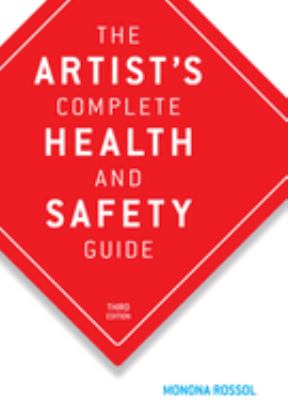
“Harmless Hobby? Watch Out for Toxic Art Supplies“
November 30, 2017
by Amy-Sarah Marshall
(https://www.uvahealth.com/healthy-balance/toxic-art-supplies/)
“Toxic Art: On shelves, in studios, and at schools, art supplies containing toxic ingredients pose risks to human health and the environment.“
by Jessica Carew Craft
Mar 23, 2011
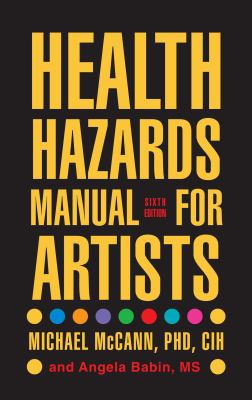
(https://eastbayexpress.com/toxic-art-1/)
“In a mortality study done by the National Cancer Institute in 1981, artists who devoted their lifetimes to working with toxic solvents and pigments were found to have a statistically higher risk of developing terminal cancer than the general population.”
A 1990s study of artists and art educators from Sweden had similar findings, and all experts in the field of art safety agree that artists in general have a higher (or much higher) incidence of cancer (for example brain cancer) than the general population.
Lawsuits against educational institutions for toxic solvent exposure often stem from negligence regarding poor ventilation, failure to provide safety equipment, or improper handling of materials like solvents, paints, and pesticides. Plaintiffs may allege personal injury, chronic illness, or long-term health deterioration due to inadequate safety measures, seeking damages for medical expenses and pain.
Common Grounds for Lawsuits Regarding Toxic Exposure in Schools:
- Negligence in Safety Protocol: Institutions failing to provide adequate ventilation, personal protective equipment (PPE), or proper training on handling toxic art materials.
- Health Impairment Claims: Students or staff suffering from acute reactions (skin irritation, eye damage) or long-term health issues (e.g., cancer, brain damage) linked to chemical exposure.
- Duty of Care Breach: Proving the school knew or should have known about the hazards and failed to protect students.
(Google Subject Overview, 2026)