
by Keith Howard,
A full Color Intaglio Printmaking Technique developed by Keith Howard
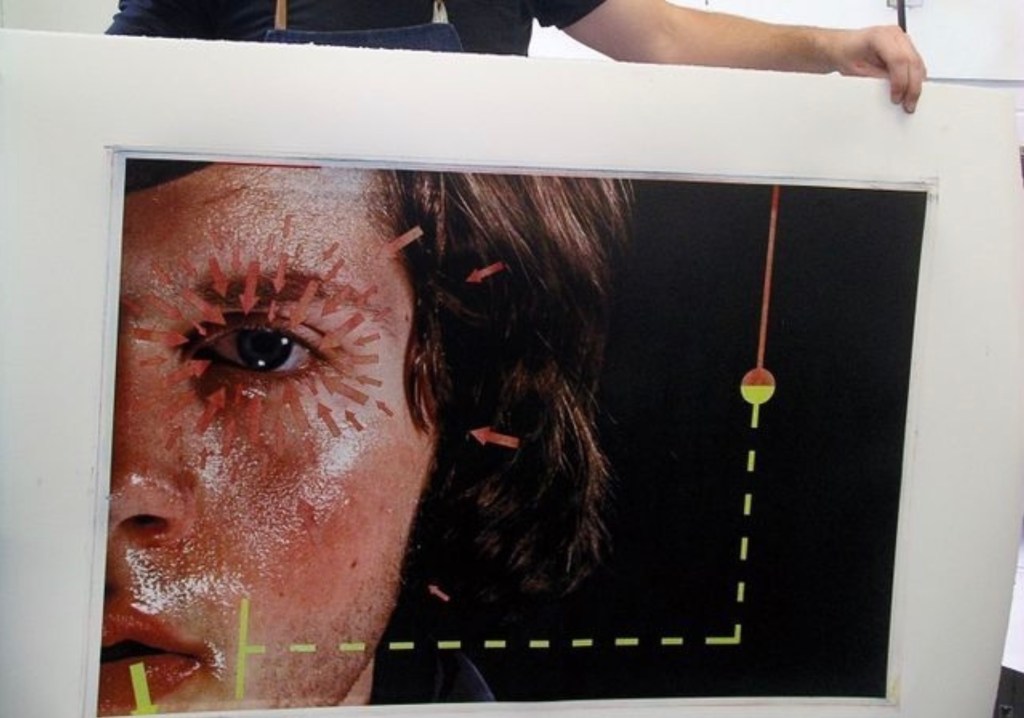
image courtesy of Susan Rostow, New York
2006
In 2005 two of my graduate students, Justin Myer Staller and Adam Werth were working on very large 4 Color Intaglio-Type prints. Adam was using up to twenty four 24” x 36” plates to create one 6’ x 6’, 4 color Photo Intaglio-Type image which required pin-point registration. As they were making Intaglio-Type plates with clear PETG plastic it seemed obvious to print these plates upside down, registering each plate by looking through the plate and aligning it with the previous printed color.
The PETG Intaglio-Type plate, being so soft and malleable, compresses as it went under the top roller of the etching press during the printing process.
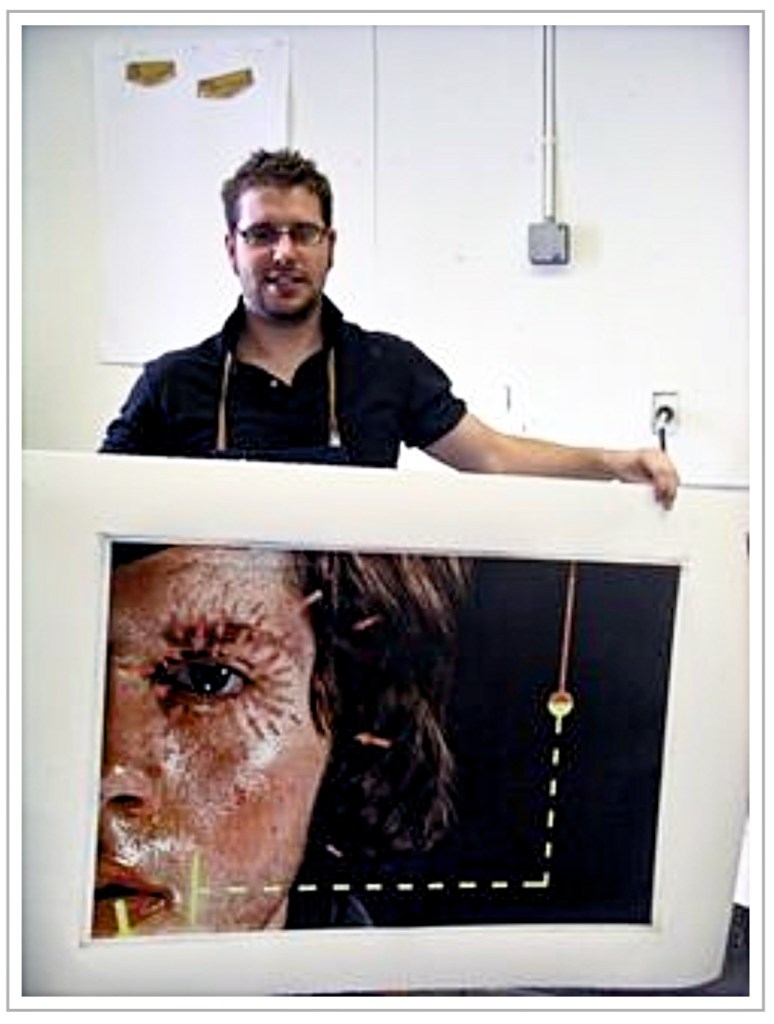
This compression forces the Akua Intaglio ink onto the surface of the printing paper thus creating a completely new printmaking aesthetic. As there is no historical or contemporary printing process that uses plate compression to transfer ink to paper the term Inversion Intaglio-Type printing was born to describe this technique.
This upside down printing technique creates a unique plate-mark between normal intaglio and letterpress printing and although there are four surface layers of Akua ink on the printing paper there is no visible sign of image embossing. There is however amazing saturation of color and a visual dynamic whereas on large 4 Color Inversion Intaglio-Type prints there is a need to selectively register the plates.
Digital-Halftone Intaglio-Type
here for Keith Howard’s tailored instructions for making CMYK separations and halftones for Intaglio Type Work
(Beginners Compendium, compiled by Donna Adams)
Other strategies for making CMYK separations and
transparencies for intaglio
In 2005/2006 Keith Howard developed a special process for making high quality CMYK separations for this process, using Adobe Photoshop, large Format Epson Inkjet printers set up in double-black ink mode, and specialist transparent inkjet media.
Above, Howard gives instructions how to generate halftones for Intaglio Printmaking. The process is less complicated than it may seem, as any program such as Adobe Photoshop or CMYK layers needed for many silkscreen jobs, (mode change) and these separations would also be usable in an Intaglio environment.
Most professional Epson and Canon Fine Art Inkjet Printers available today have very dense black ink sets that are suitable for transparency making. (opaque black ink). Once separations are made these can be printed on transparency for either a plate making process using an aquatint screen, (continuous tone
transparency), or by making a half tone, where no aquatint screen is needed.
nontoxicprint – 4_Color-Inversion-Intaglio
Most important aspects of an image. This selective registration engages the finished print with a subtle and enigmatic focus, something virtually impossible with other printing techniques. 4 Color Inversion Intaglio-Type is one of the most technically complex techniques that I have developed. Complexities begin with plate-making and making CMYK halftone transparencies. There are lots of technical issues that constantly need addressing.
One of the biggest technical hurdles to overcome in the printing of 4 Color Inversion Intaglio-Type plates is paper shrinkage during the printing process. Initially this was controlled by printing each plate as quickly as possible while using a personal humidifier to humidify paper that was beginning to dry.
Paper drying while printing 4 colored plates in succession presented a registration problem because when the paper dried it shrunk making perfect registration impossible. The damp etching paper would always dry from the outside edges in towards the center so most attention was focused on humidifying the outside edges. Paper edges would start to curl and lift which was the cue that they needed humidifying.
Printing with Damp Paper.
We used Hahnemule Copperplate paper which was dampened, calendared and then wet packed the day before printing. The type of personal humidifier we used was a water bottle with a hand pump at one end that when pumped caused a fine mist spray to come out a small hose and nozzle attached to the base of the bottle.
Printing on Dry Paper
To avoid damp paper shrinkage problems many of my students switched printing papers to Arches 88 that could be successfully printed totally dry. This removed the possibility of registration errors caused by damp paper shrinking during the 4 color printing process. Dry paper printing introduced another problem in that about 5-10% of the ink transfer from plate to paper was lost. As there are four plates being printed in succession onto one piece of paper this ink drop-out was not generally noticeable in the finished print.
As I wanted to create an even more unique printed image I chose specific Akua inks to create a harmonious color balance that was not a duplication of a normal “commercial” color balance created with conventional Cyan, Magenta, Yellow and Black inks. In this respect I must acknowledge the research by David Jay Reed who pioneered very unique CMYK color ink systems which were documented in my book “The Contemporary Printmaker”.
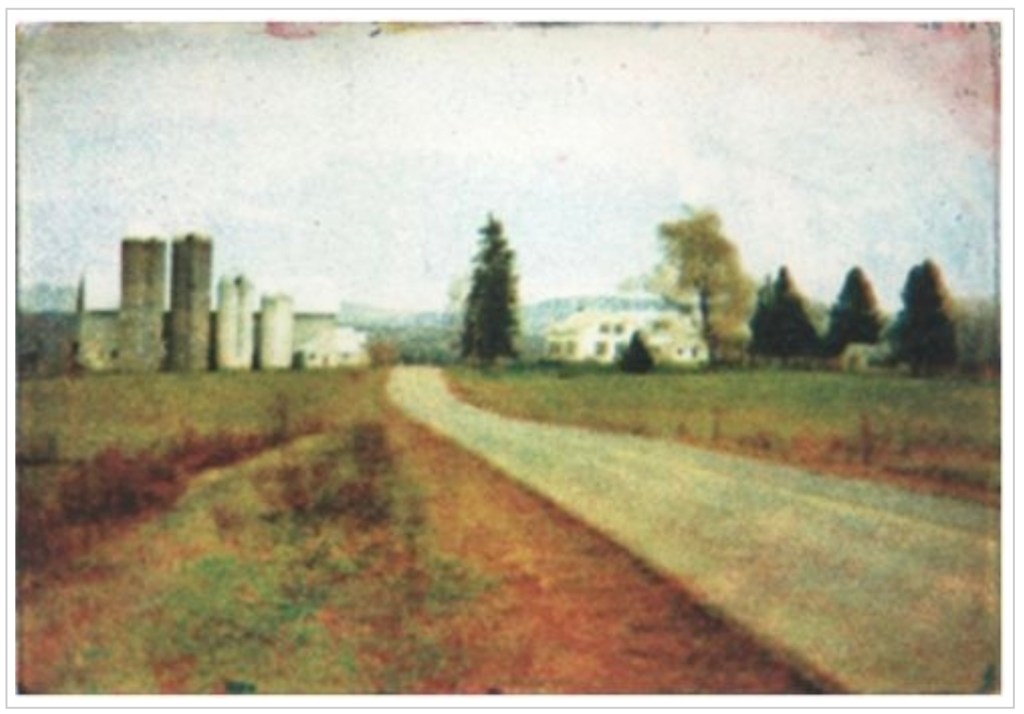
The specific CMYK ink systems I first developed for Akua Intaglio ink were as follows:
C Akua Phthalo Blue with 50% Transparent Base
M Akua Scarlet Red
Y Akua Hansa Yellow
K Carbon Black
Below is a link to a quick guide and a video for
making silkscreen CMYK separations:
How To Separate CMYK 4 color Process For Screen Printing (Video
Guide) https://www.youtube.com/watch?v=C8v1Tj32s14
Susan Rostow is the inventor of Akua Intaglio Inks
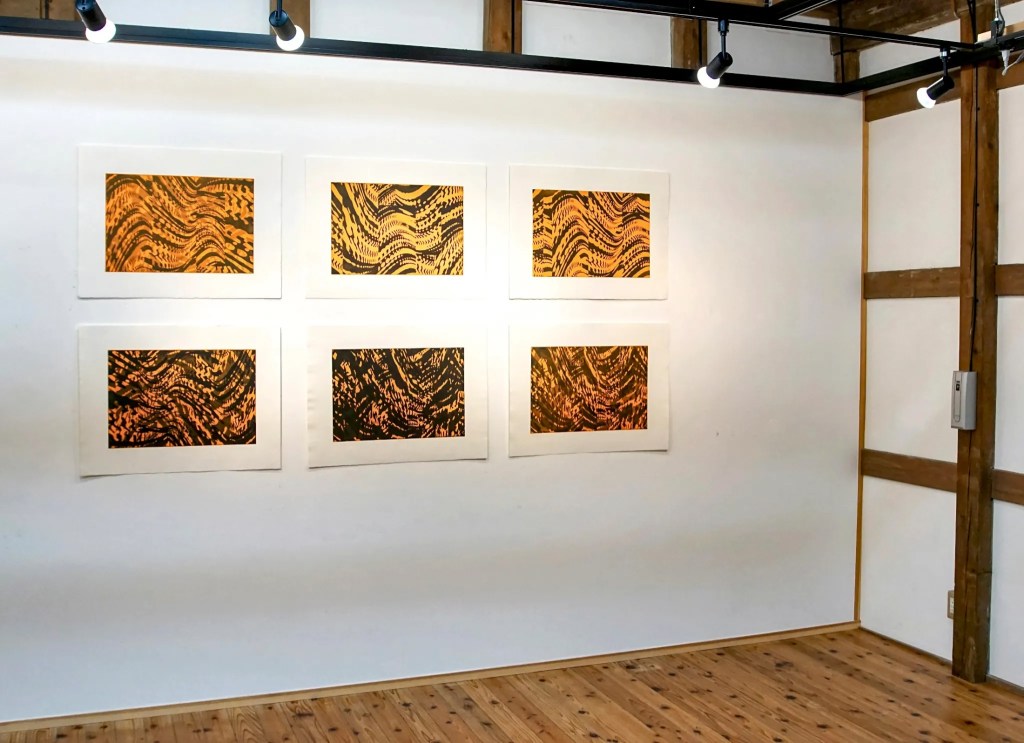
Friedhard Kiekeben,
Loop (orange)
series of inversion color Intaglio Type prints,
shown at Kanazawa Art Center,
2019,
curated by Shichio Minato,
Fukui
C Akua Phthalo Blue with 50% Transparent Base
M Akua Crimson Red
Y Akua Hansa Yellow
K Carbon Black
The above colors are but two potential color scheme samples. Some imagery demands more transparent base because of a dominant color cast in the final print. The main thing is to make four CYMK Intaglio-Type plates exposed to Photoshop separations and then print them and then decide what color correction, if any, is needed to realize the final image. The point is that this method of printmaking has many levels of color complexity which will keep any contemporary, innovative
printmaker engaged for years.
Further developments of the Inversion Intaglio-Type technique called TriColor Inversion Intaglio-Type where made with the use of BlacK plate and two of the other colored plates, generally Magenta and Cyan. These plates were inked with individually toned inks to create a totally new colored image.
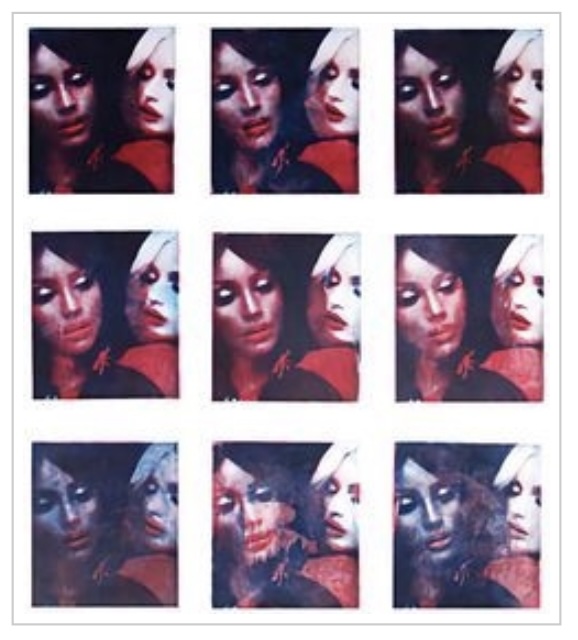
Linsey Strawn,
‘Barbie’,
two color Inversion Intaglio Type,
Columbia College Chicago,
2007
See Quentin Giaquinton’s work that demonstrates the difference between a black and white Photo Intaglio-Type print and the same image printed as a TriColor Inversion Intaglio-Type with individual color selection.
As Head of Contemporary Non-Toxic Printmaking at RIT I often develop techniques to respond to students technical demands. The above represents some of my latest research into Intaglio-Type printmaking. For more information about other Intaglio-Type techniques please refer to my last book “The Contemporary Printmaker” available through Amazon.com and top printmaking suppliers around the world.
Non Toxic Four Color Intaglio Type Printed Using Akua Ink
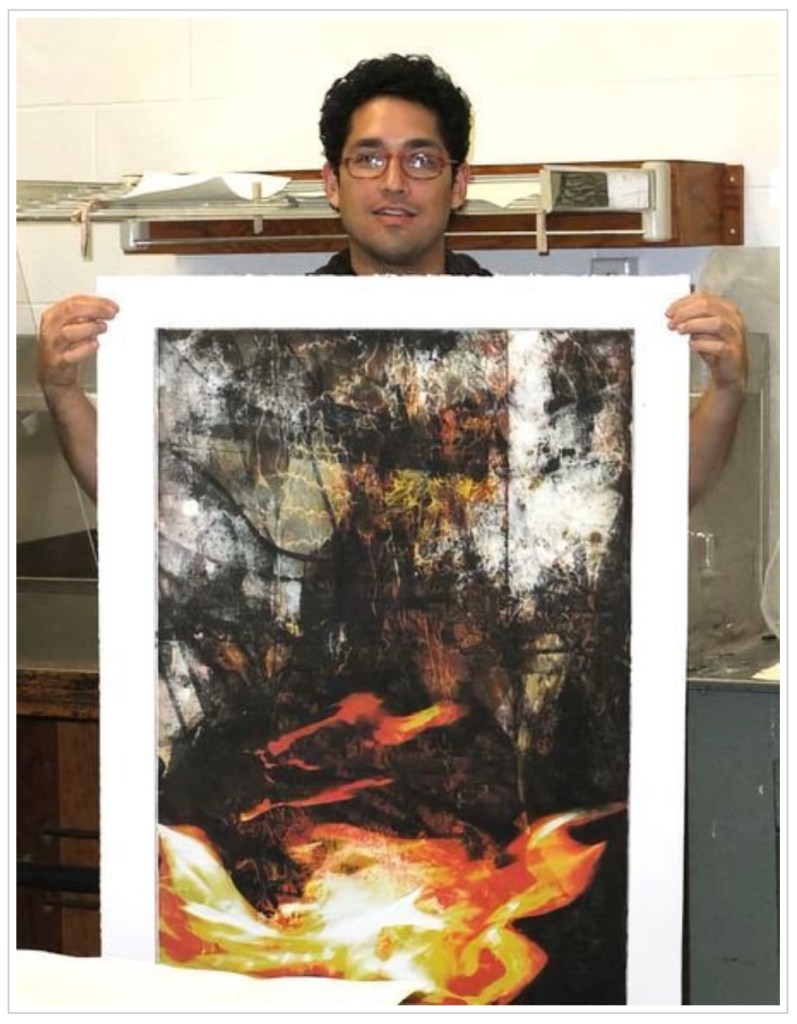
Marcelo Vera, 2006

Adam Worth, 2006
© 2025