

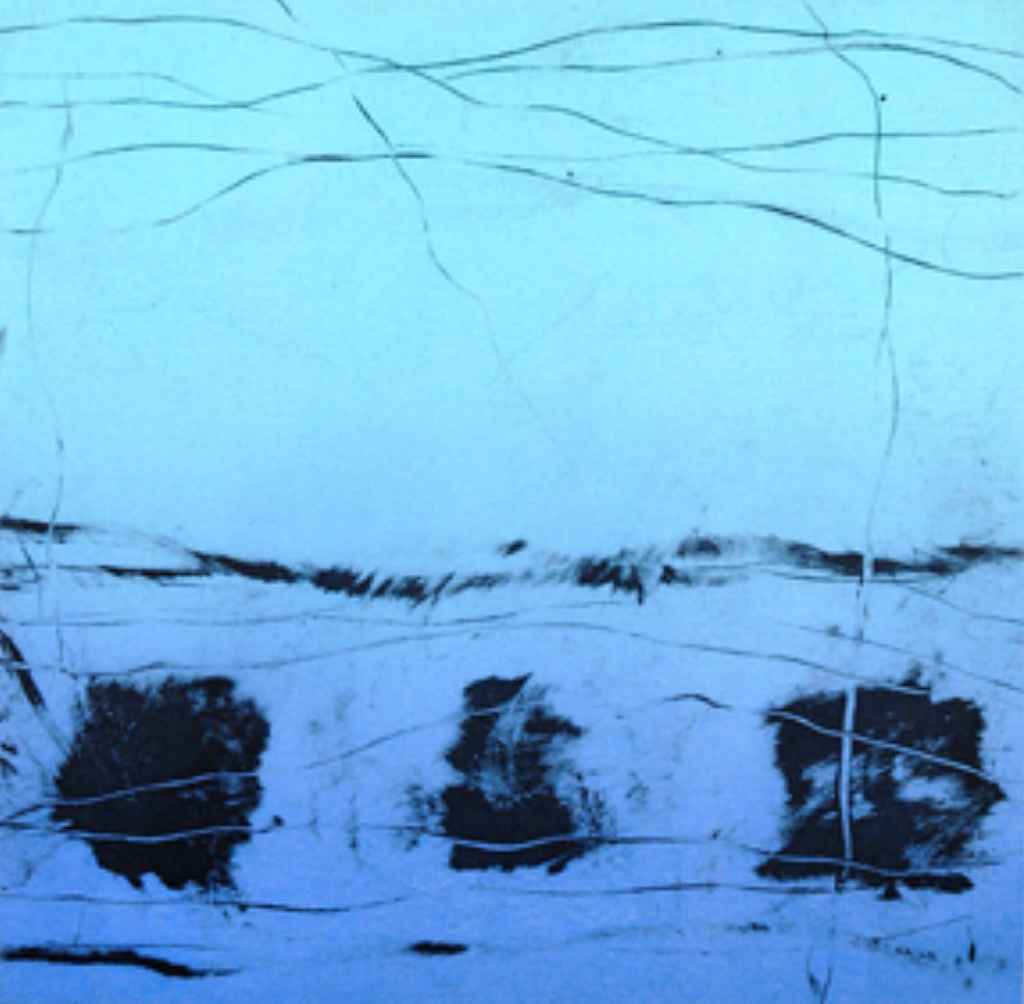
a polymer gravure print by the Danish artist Henrik Bøegh
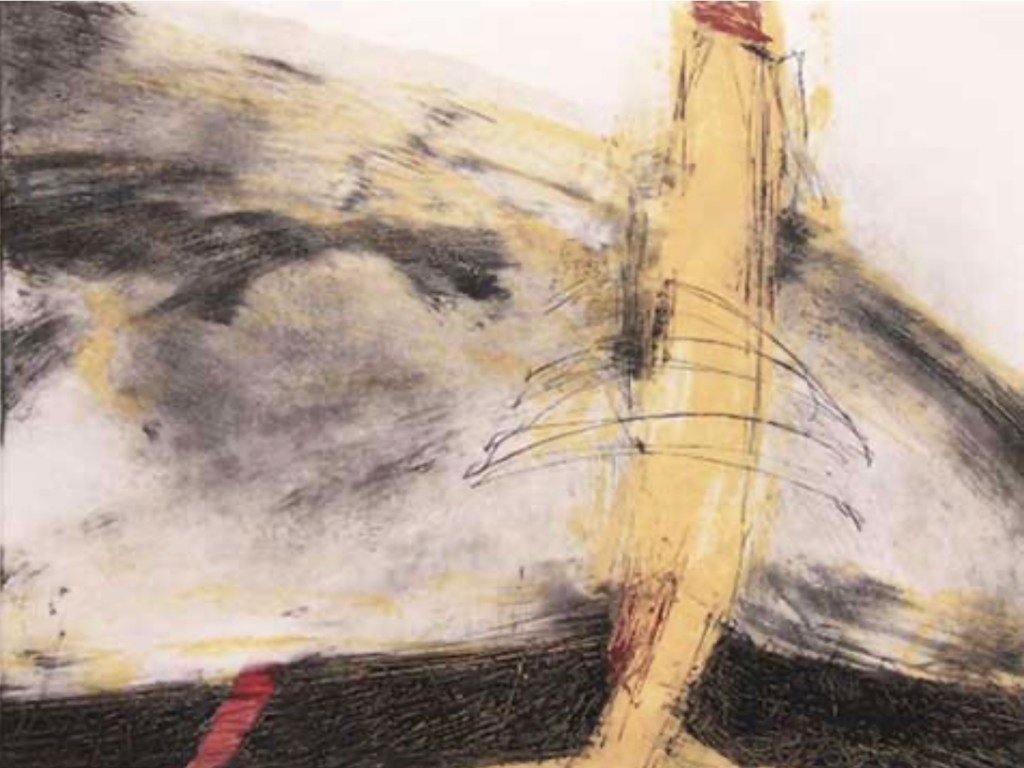
a Solarplate intaglio print made by Dan Welden
Introduction
Photopolymer plates have been used in industry for many decades (flexography), and the printmaker Dan Welden popularized their application in Fine Art printmaking, where they serve as a popular technique of photo-reproductive intaglio printmaking.
The method allows artists to create rich and tonal images from plates that can be editioned like a metal etching plate. A range of industrial photopolymer plates is available, (cheaper plates may be more hazardous), with steel, nylon, or polyester backing. These can be used for relief, letterpress, and intaglio printing. For artistic applications, Dan Welden’s ‘Solarplates’ are among the best researched, and most widely used. Over the years Dan Welden changed his recommended plates multiple times.

NOTE: Flexographic photopolymer printing is fundamentally different from the ‘Intaglio Type’ photopolymer printing methods invented by Keith Howard. (Dry film methods are based on acrylate photo emulsions).
The Solarplate process has some similarities with Intaglio Type and other dry-film based photopolymer methods, but here, the ready-made plates wash out in water rather than sodium carbonate. Both types of photopolymer process open up a range of innovative artistic possibilities, especially if used with a random dot screen, and solarplates allow for deeper intaglio than most dry photopolymer films. While dry photo-polymer films that wash out in soda ash, have a fairly well documented safety record in industry, (DuPont), there are questions over the VOC safety of certain kinds of the ‘flexography-type’ plates.
This is related to an older polymer chemistry, developed early in the 20th century by the printing industry, underlying many of these products. Although most plate manufacturers such as the Japanese firm Toyobo or Toray assure users of the safety of their ‘water-wash’ plates, one needs to consider the fact that all these products are developed and manufactured for industrial use and machine processing (using an automated plate processor). Industry does not publish recommendations for hand processing, so artists need to find their own protective strategies and set-ups for safety.
Dan Welden’s Solarplate Intaglio Print Gallery


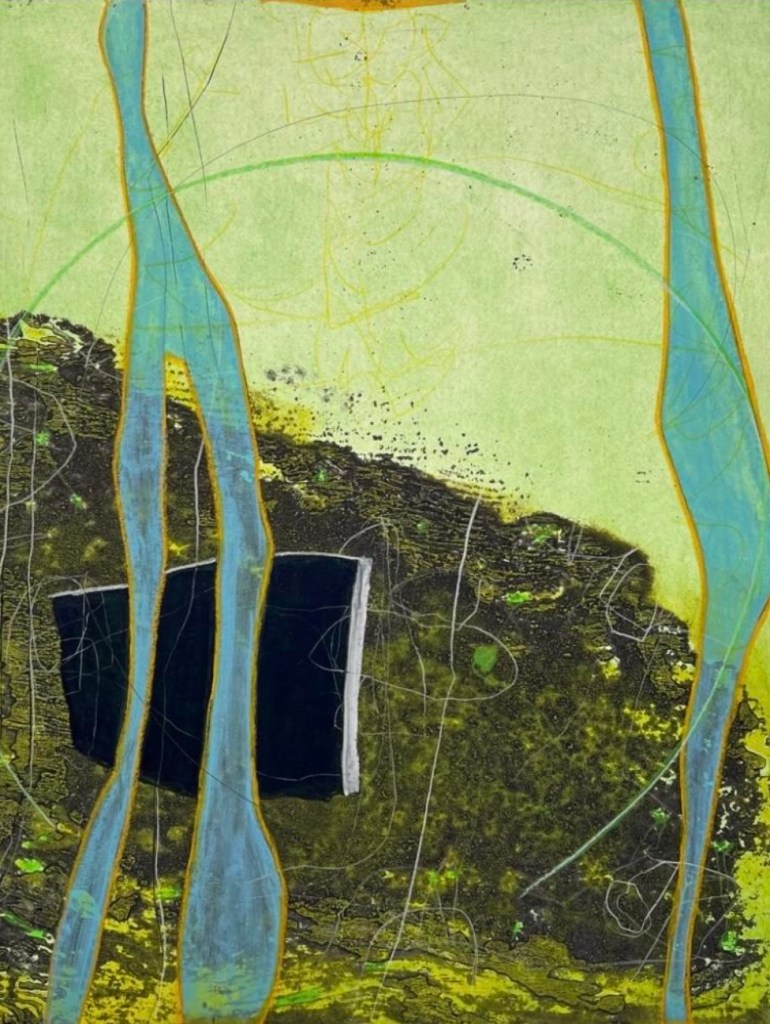


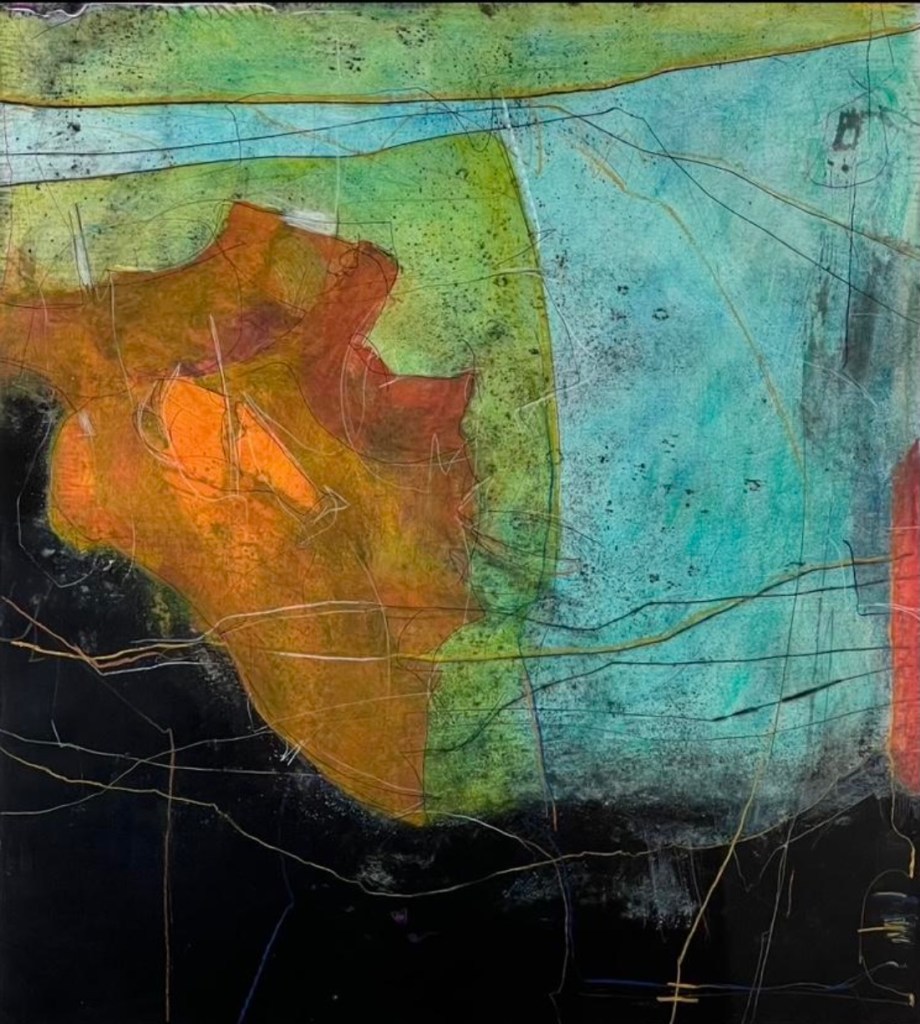


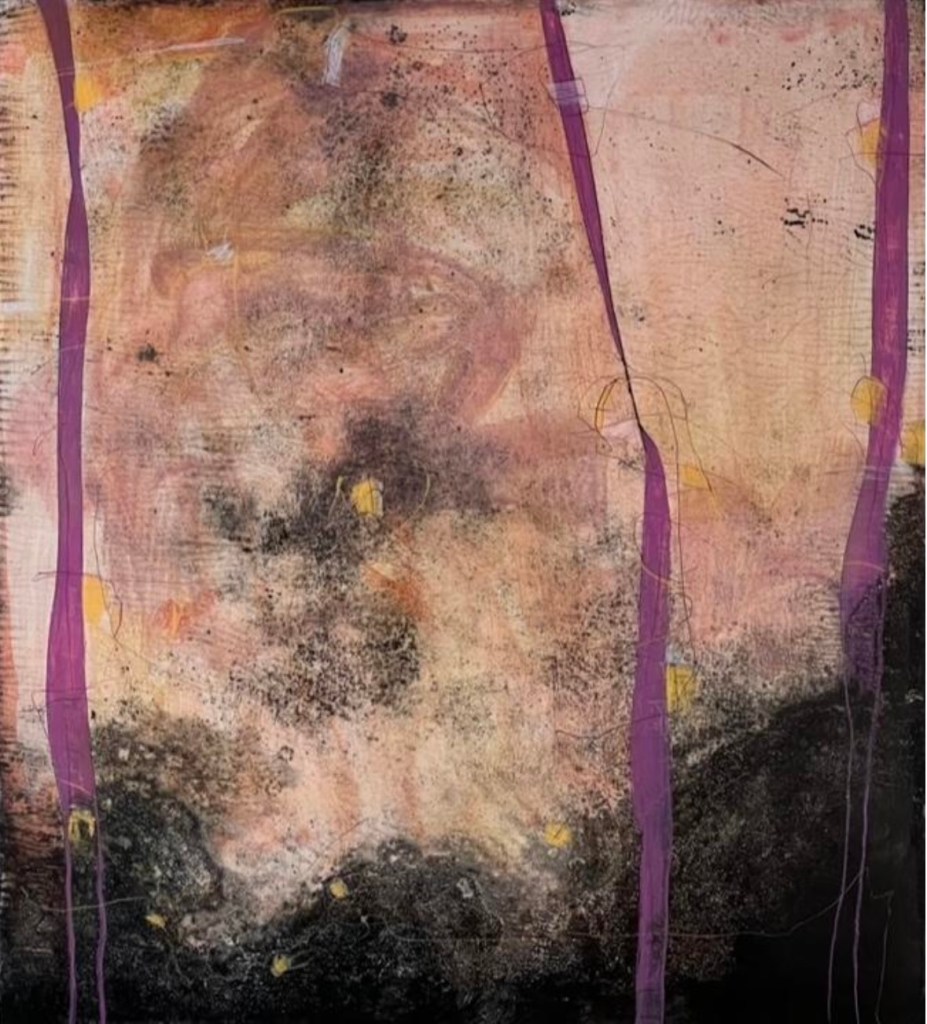
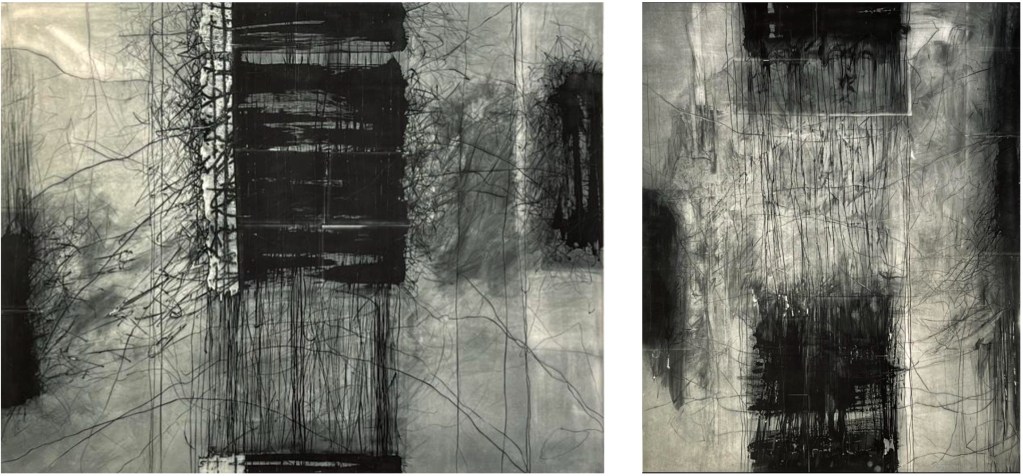
I am an experimenter, explorer and a seeker of beauty. When I set out to work, there is no image in mind, but the vision unfolds as the work evolves. It usually begins with simple forms and marks with broad areas. It then becomes more refined and delicate and knits itself together through line.
I am a process person, interested in employing materials and techniques to the ‘landscape’ of my mind. My drawings, paintings and prints evolve from the idea of linear pathways echoing from the tracks of animals in nature, fissures in rock palisades and the patterns created by my hands becoming ‘playful’ with my tools.
There is an astonishing variety of different photopolymer plates, mainly designed for mass printing applications in the packaging industry, and some kinds of water-based plate are higher quality and do suggest a degree of more safety in their (more acrylic-based) chemistry.
In any case, many plate brands and processes have a significant environmental impact and may present hazards to users’ health, if used incorrectly and without precautions. The main issue with some brands of photopolymer plate appears to be the presence of solvent additions in the emulsion in some, and hazardous compounds resulting from incomplete cross-linking and polymerization of monomers in others.
sample products:
Toray
(https://www.printingsystem.toray/products/resolucia/)
Toyobo
(https://en.toyobo-mc.jp/products/printight/)
DuPont
BETTER SAFE THAN SORRY | Artists using certain kinds of plates in isolation may expose themselves to considerable hazards from un-reacted compounds, and it is recommended by the manufacturer to process any plate with professional fume ventilation/extraction systems, and use a personal organic respirator to safeguard against exposure, even if there are few hazards that are documented for the product. (SDS).
Due to trade secrets it is often impossible to gain sufficient insights into the exact chemistry of a polymer product.

electron micrograph of cross-linked polymers
(Groce/Kiekeben/Greenwood –– UMaine, 1998)
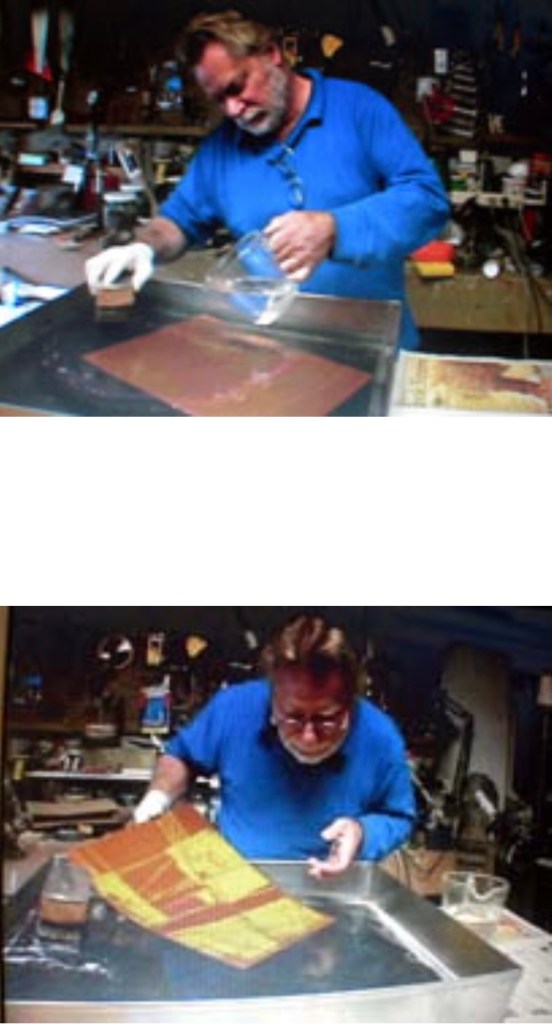
Dan Welden explaining the solar plate process
www.danwelden.com
www.solarplate.com
DAN WELDEN, master printmaker, painter, educator and early pioneer of safer printmaking processes, is the innovator of the Solarplate etching technique.
He has worked with many renowned artists including Eric Fischl, Lynda Benglis, Willem and Elaine de Kooning, Dan Flavin, David Salle, Robert Rauschenberg, Larry Rivers, Jasper Johns and Robert Motherwell.
ROUTES OF EXPOSURE – an Experiment
Key manufacturers of flexographic plates stress the ‘safe’ and environmentally friendly characteristics of their ‘water wash’ plate products. SDS sheets are incomplete and monomeric ingredients are not known due to patents. However, over the decades, there are continuing reports of legal cases from workers, printers and artists who got sick from supposedly ‘safe’ products and processes related to flexographic photopolymer printing. Caution is advised! Protective measures are essential to safely enjoy the benefits of this unique artistic process.
Multiple users of common flexographic plates reported a varying degree of VOC fume emissions that may occur during the final stages of manual plate making. For example, one print studio stresses that completing the polymerization process by re-exposing the plates to UV light is essential to prevent the off-gassing of VOC emissions (Zea Mays Research). As a plate is lifted out of the bath of wash-out water it is exposed to air, and then there appears to be a strong smelling oxidization reaction during scrubbing outside of the bath. (Some users notice this more than others). It would appear that for safe and best practice users need to be aware of this, and wear a mask with carbon filter especially during that final plate making stage until the plate is fully rinsed and dried. Also, good ventilation/extraction would seem essential throughout the process. A dry, warm environment during plate curing (or working in the sun!) will aid polymerization and may prevent excessive release of fumes. Some flexographic plates are known to emit carcinogenic VOCs such as vinyl chloride, formaldehyde, styrene or benzene, but each manufacturer have their own proprietary process, formula and toxicity. Often the plate chemistry is based on a PVC/Nylon mix (over 50%) with acrylate additions. Caution is always advised when using this process, and the cheapest plates are known to be the most hazardous. The flexographic printing industry themselves voice internal concerns over chemical reactions that may occur on the plate emulsion due to oxidization and contact with air.
REACTIVITY EXPLAINED: flexographic plates contain large quantities of monomer which needs to be activated for curing and made light sensitive through a large amount of powerful photo-sensitizing agents.
Types of chemistry used for photopolymers include styrenic polymers, nitrile rubber and acrylated polyurethanes. Vinyl-based plates may contain traces of mercury.
(https://photopolymer.com/printing-plates/flexography)
The most powerful photo initiators used are the highly reactive and dangerous ‘free radical’ type (phosphoryl or fluoride-based; also: benzene derived).
Possible Routes of Exposure during Plate Scrubbing / Wash out, and Example:
The combination of exposure to ambient light, carcinogenic reactive monomers with free radical photo initiators, scrubbing pressure, water and oxygen from ambient air, during the final plate processing stage may create opportunity for the release of highly toxic vapors and mists as the unexposed plate emulsion is scrubbed, stripped away and dissolved; these fumes may be very hard to detect.
Also of interest may be the fact that industry sometimes employs ‘photoacid generators’ (PAGs) embedded in the photopolymer that may become active as an emulsion stripping agent during the final stage of processing. Only experts know the exact mechanics and hazards connected to this highly complex chemistry, and formulations change frequently. Caution!
He is the owner of Hampton Editions and director of Printaganza Ltd., a non-profit center for international research and education in printmaking, in Sag Harbor, New York.

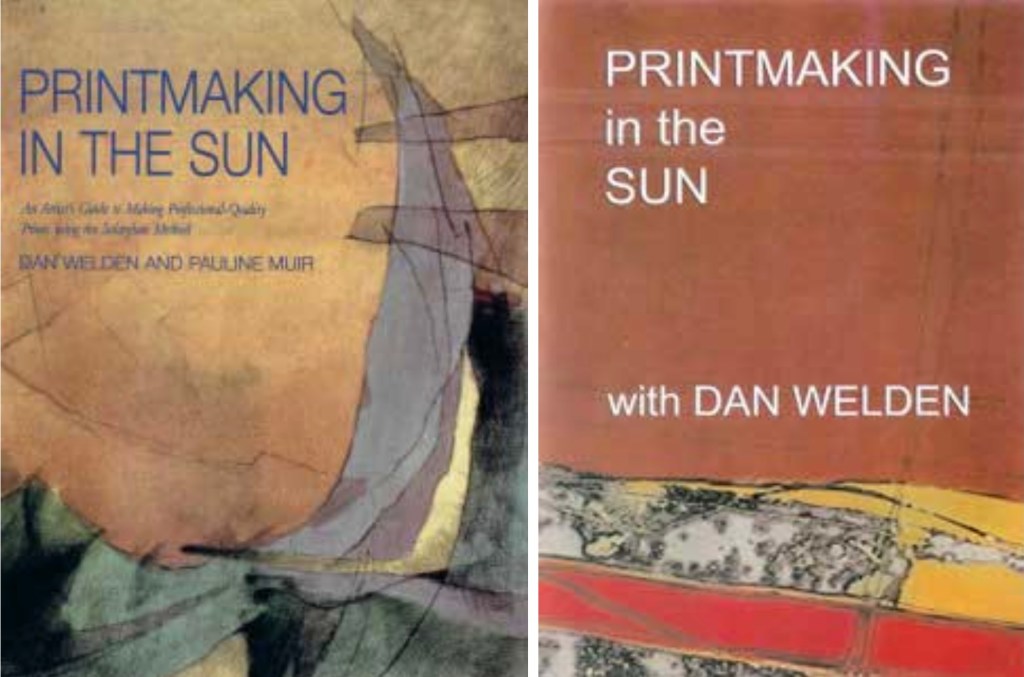
In 2001 ‘Printmaking in the Sun’, a book about Solarplate printing that he co-author with Pauline Muir, was published by Watson-Guptill.
In 2005 the award-winning cinematographer Karola Ritter made a film, also entitled Printmaking in the Sun that documents Welden as he creates Solarplate prints at his studio. Helen A Harrison, Director of the Pollock-Krasner House and Study Center, provides a commentary.
The following is a summary of the Solarplate process. Extracts and images from Printmaking in the Sun by kind permission of Dan Welden. Copyright, Hampton Editions, Ltd., 2005.
The film Printmaking in the Sun documents Dan Welden as he makes solarplates at his studio in Sag Harbor. Welden lives and works in the Hamptons but also travels all over the world delivering workshops and sharing his expertise as a printmaker.
He trained in Germany as a traditional lithographer but has always had a love of experimentation and an interest in making printmaking more user-friendly. In the early 70s his investigations into safer and healthier methods led to the development of the technique now widely known as SOLARPLATE printing. Solarplate printing or etching used to be regarded as less toxic than traditional etching, but currently this notion may be questioned by some experts. All flexographic plates contain large amounts of unreacted monomers of various and complex chemical compostion, and the manual processing of these materials may entail extensive exposure to potentially hazardous organic compounds. There currently is a discussion how to improve safe handling and protective measures for artists using ‘Solar plate’ type plates.
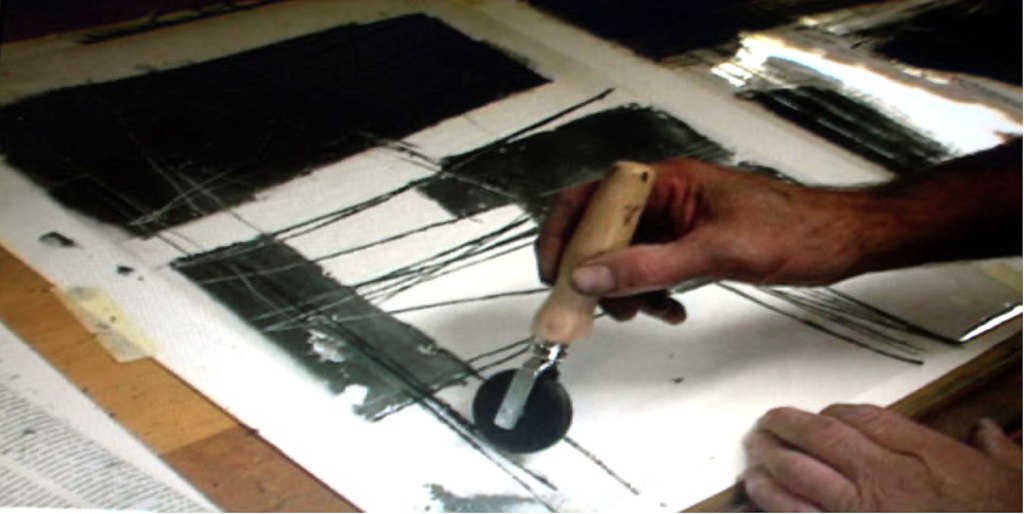
Dan explains how it works: “You can create a piece of artwork on a transparent film; overlay it on a solarplate and expose the film and plate together in the sun. Effectively you’re transferring a drawn image to the plate and the plate can be used to print either in relief or intaglio.”
The film shows Dan creating a powerfully fluid drawing on
acetate using Graphic Chemical ink, various tools (including his
fingers), and baby powder to give the image density in certain areas.
He enjoys the direct approach but goes on to explain that an image can be produced in many different ways:
“Some artists prefer to work in the darkroom with a photographic transparency. Others work with a computer; they scan images and print them out onto transparent film. Once we have that transparent film, that’s what is used to create the plate. It’s put in contact with the solarplate, exposed in UV light and then developed. Unlike traditional relief and intaglio methods, with solarplate printmaking there is no need to compose an image in reverse – the printed image appears with the same orientation as the original drawing.”
Welden enjoys the freedom and flexibility of creating the image on acetate.
With this material it is easy to add or remove marks, to create textures and patterns – and because acetate is inexpensive, if you don’t like what you’ve done, you can simply start again on another sheet.
Dan completes two drawings on acetate – one to be relief printed, the other to be intaglio printed. Firstly, we see him demonstrate how to produce a relief solarplate.
How to make a Relief Solarplate
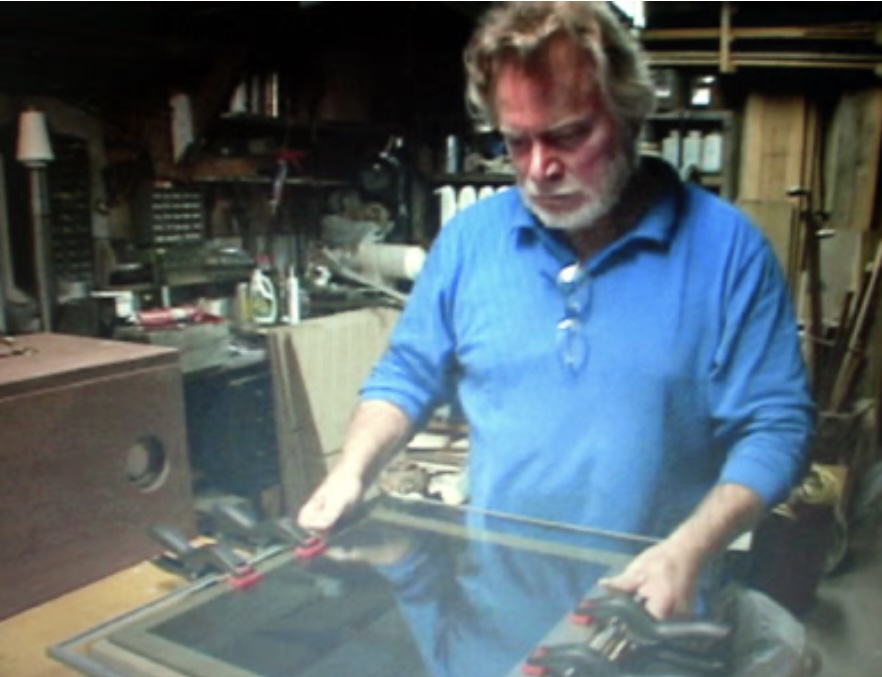
After Dan has finished creating an image on the acetate, he removes a light-sensitive plate from its folder. The drawing is placed face down onto the plate and a piece of glass is put on top. The whole thing is then sandwiched together using ordinary clamps that you can get from any hardware or home improvement store.
clamping the plate, drawing and glass
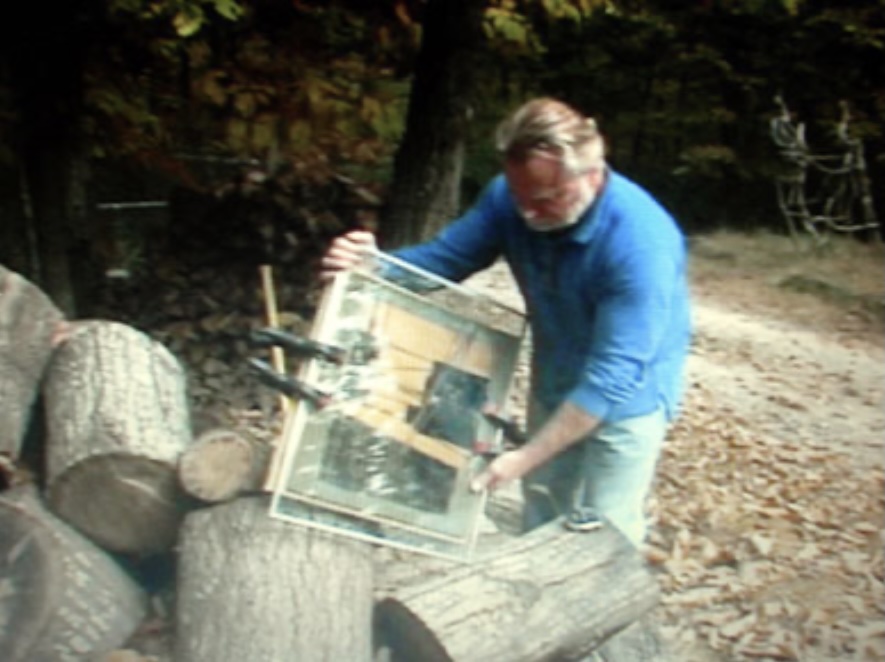
Dan carries the plate-acetate-glass “sandwich” outside and finds a sunny spot; preferably somewhere the sun will hit the plate at a 90 degree angle. A timer is set to a couple of minutes – the exposure time varies according to the strength of sunlight, the time of day, and the time of year. A delicate transparency needs less exposure time. He explains that:
“light will pass through this piece of film onto the polymer surface. This hardens the surface. Any areas that are not exposed, that are hidden by the drawing, will be automatically washed out in water.”
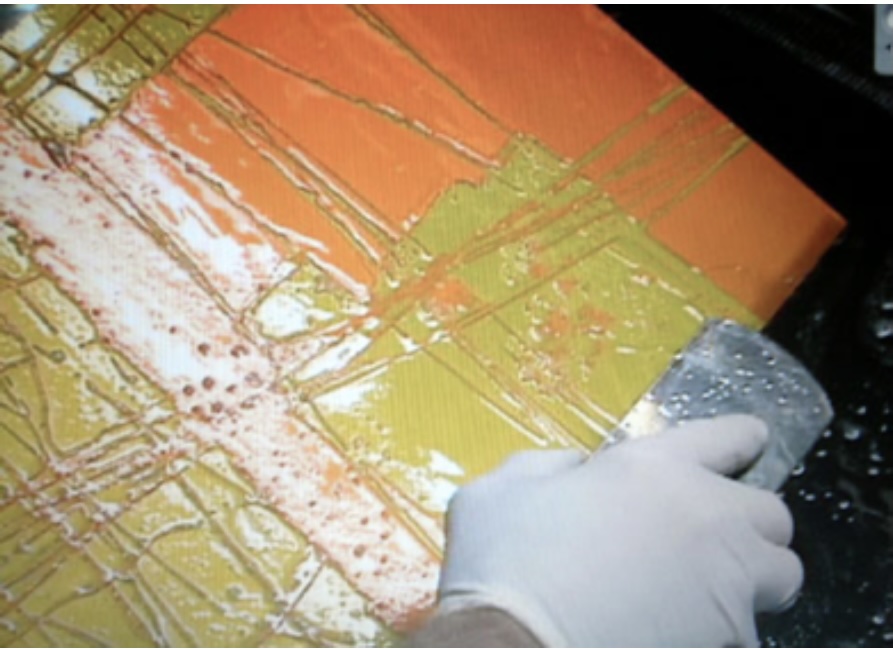
After exposure the plate is taken back inside for the “wash out ” or “developing” stage of the process. The glass is unclamped and the exposed plate is placed in a large tray that has a magnetised base. As the solarplate
is steel, it holds to the bottom of the tray while being washed. The wash takes a little while because it is a relief plate and Dan needs to scrub all the way down to the metal, until the image is revealed. Copper-colored areas indicate the relief surface and the yellow marks are the lower areas.
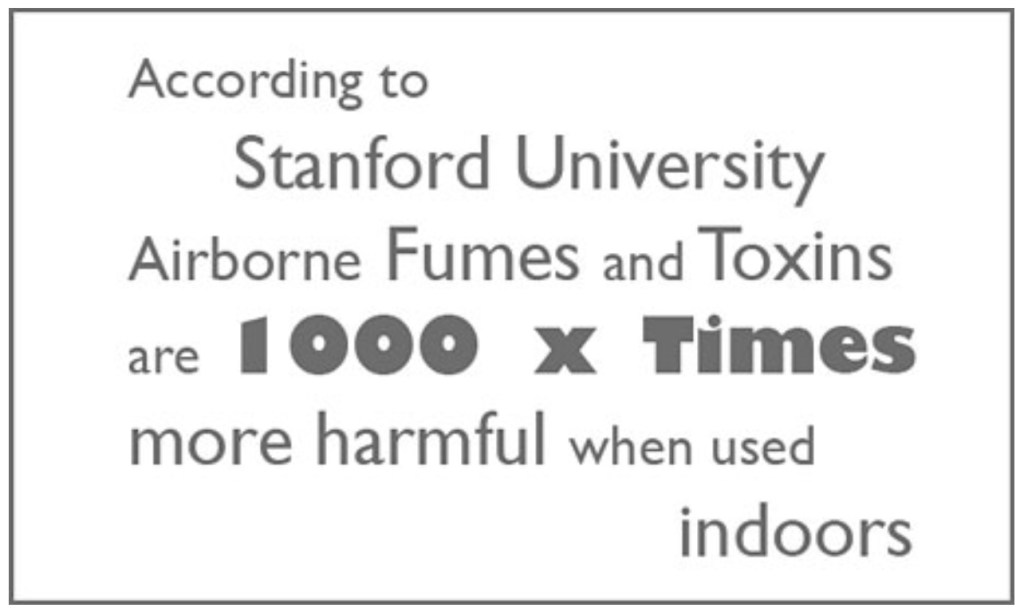
NOTE: it is believed that the ‘scrubbing’ phase may entail risk of toxic emissions on some types of plate.
use of a mask with carbon filter is advised when
handling and processing photopolymer materials;
as is practiced in the flexographic industry
Once scrubbing is completed, Dan thoroughly rinses the plate then blots it with ordinary newspaper before taking it outside once more to let it harden up.
How to make an Intaglio Solarplate

Next Dan demonstrates how to produce an intaglio solarplate. Firstly, the intaglio plate has to be exposed with an aquatint screen – a double exposure process created by Pauline Muir. The aquatint screen is a piece of acetate that has been machine printed with a pattern of tiny “squiggles”. The light passes between the squiggles, which hardens about 20% of the plate. The
emulsion side of the screen goes face-down onto the emulsion side of the plate which is face-up on the workbench.
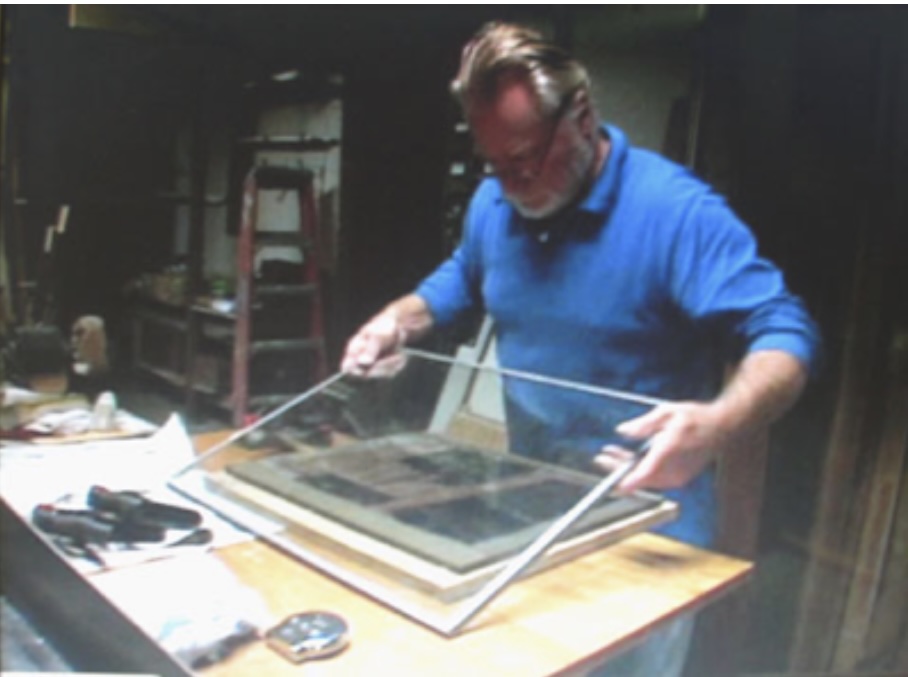
checking for the emulsion side of the aquatint screen
A clean sheet of glass is placed on top and the whole thing, clamped together. When there is not enough sun, Dan uses a light box to expose the
film. He always exposes the screen to the plate for exactly 1 minute 30 seconds. Once the screen has been exposed it is removed and the drawing Dan made on the acetate is put in its place. The artwork is always exposed second and goes face-down on the plate before the glass is re-clamped. The plate is now exposed a second time. The length of this exposure is
not standard – it is dependent on the nature of the artwork, and experience!
Once exposure is complete, the plate can be washed.

The wash out on an intaglio plate is a little different to
that of a relief plate. On the relief plate you can see quite clearly what’s happening but with the intaglio plate, Dan washes it for about a minute and the image is only visible after blotting. As with the relief solarplate, he puts
the intaglio plate outside to become fully hardened before printing.
inked and wiped intaglio solarplate
The remainder of the film shows Dan inking up the relief plate using a hard roller before putting it through the press; then inking and wiping the intaglio plate before producing the finished print.

rolling up the relief solarplate
For anyone interested in learning about Dan Welden’s Solarplate printmaking, this DVD makes a great introduction. It demonstrates how a printing process can be made simple and safe, and still result in artwork of the highest quality and variety.

Dan Welden further explains (2012):
WE BELIEVE THAT SOLARPLATE ARE A SAFER PRACTICE THAN MOST OTHER SIMILAR PRODUCTS. WITHOUT SOUNDING BIASED THE RESULTS CAME FROM AN INDEPENDENT LABORATORY THAT TESTED OUR PLATES AND GAVE THEM AN ASTM D-4236 RATING. AT THIS POINT I BELIEVE IT IS THE ONLY POLYMER PLATE WITH THIS APPROVAL.THIS STUDY HAD BEEN PROMPTED BY SOME OF THE COMPETITION THAT CLAIMS TO BE SAFE. HAVING USED ALMOST EVERY POLYMER PLATE ON THE MARKET, I KNOW THAT SOME CAN CAUSE ILL EFFECTS. THIS IS WITHOUT QUESTION AND HAS BEEN A POINT OF CONTENTION WHEN I ATTEMPTED TO HAVE A JAPANESE COMPANY CHANGE THEIR FORMULAS TO A MORE SAFER CHEMISTRY. THERE WAS OBVIOUSLY NO SATISFACTION SINCE THEY SAID ‘THESE PLATES ARE NOT MEANT FOR ARTISTS AND THE WAY YOU USE THEM. THEY ARE MEANT TO BE PROCESSED DIFFERENTLY THAN BY HAND SCRUBBING’ WITH THAT, I DISCONTINUED SUPPORTING THE PRODUCTS THAT I HAD BEEN USING AND HAVE BEEN WORKING WITH AMERICAN MANUFACTURED PLATES.
www.danwelden.com
www.solarplate.com
Email
solarplate@aol.com
Telephone
631 725 3990
3 HAZARDS IDENTIFICATION (from an older sds sheet):
Most Important Hazards Eye contact or skin contact with the material may cause some irritation.
Dermatitis may occur in some serious case.
The material contains small amount of hazardous ingredients
or the ingredients of insufficient investigation of hazards.
Inflammable with the existence of ignition sources
Specific Hazards Prolonged inhalation of fumes or gases generated from the material during the processing operations may cause headache, respiratory irritation. Main Symptoms Dizziness, Headache, Irritation to eyes and skin
Toyobo Printight MSDS
always check current SDS information prior to use, or consult with a chemist or industrial hygienist. See below for professional plate processing equipment with extraction.
A flexographic plate maker

Solarplates are the best thing since sliced bread!
Barbara Mason
Solarplates were first introduced for sale about 20 years ago by New York artist and Master Printer, Dan Welden. Dan immediately saw the potential for these plates that developed with UV light and washed out with water. He pioneered
work with the manufacturer beginning in the early 70’s, sharing his knowledge and enthusiasm with other artists. In 2001 he co- authored the book ‘Printmaking in the Sun’ with Australian artist Pauline Muir.
I personally got interested in photosensitive polymer plates in 1998 and took classes using image-on film and z-acryl film. I met Dan Welden at the Southern Graphics Conference in Miami and got some samples. Originally I wanted to
use this process to color-separate viscosity monotypes, which I had been making for 20 years. Of course, solarplate generated its own excitement and I never color-separated one monotype, but I did go on to make hundreds of Solarplates and begin teaching others how to use them. It was obvious that Solarplate was easier and more consistent to use than other brands, and more expensive. Sometimes you get what you pay for. Dan Welden tells me I am an expert with Solarplate, so that is high praise indeed.
I have been a printmaker for 30 years and an artist all my life. I always loved etching, but hated the chemicals. I had children at home and taught a lot other children and I did not want the chemicals around. To say Solarplates changed my work is an understatement. I can safely make intaglio work with no chemicals except tap water, a heady thing for a printmaker. I am past president and current Education Chair for Print Arts Northwest, a regional printmaking professional organization in the Pacific Northwest. I teach several workshops a year at Atelier Meridian in Portland, Oregon using Solarplate and occasionally I travel to do a weekend workshop in another area.
www.barbara-mason.com / www.printartsnw.org / www.ateliermeridian.com