
From Ceramics to Safety: A Career Odyssey
by Monona Rossol
From Ceramics to Safety: A Career Odyssey
Preface
This article is mostly a reprint of an article I wrote for the November/December 2003 issue of Clay Times (pages 60 and 61). I have used this article to explain what discrimination in the arts looked like when I was in school in the 50s and 60s. Editor Friedhard thought it was worth republishing.

The core of the article is almost as originally written with some improvements in style. And there is a postscript to explain what happened after the article was written.
History
My career odyssey begins when I was in school at the University of Wisconsin-Madison during the years 1953 to 1964. Things were very different for women then. For example, I finished my pre-med courses only to find out they only enrolled 10% women in medical school. Worse, all of the applicants attended an orientation during which we were told that they only admitted this small number of women because a new law forced them to. The speaker also gleefully told us they planned to flunk half of us out after the first semester. I uttered a curse word and left.
Instead, I decided to get my degree in chemistry with a minor in math. In need of funds, I took a year off to work as a research chemist in industry. There I learned that because I had been politically active on campus (and who wasn’t in Wisconsin?), I could not get security clearance to work on government contracts. Clearly, you cannot have a career as a chemist if you can’t work on these kinds of projects.
I finished the chemistry degree and was offered a job working as a research chemist at the university, where political views are not relevant. I took the job and I did the lab research for three male PhD candidates. I made good money, but was not happy leaving my education at the bachelor’s level. I decided to enter graduate school in the art department in the mistaken belief that there would be less discrimination against women there.
The Art Department
My first battle in the art department was trying to get into the studio arts program. They told me that I would have to pursue an art education degree because women should teach art, not make art. After a two-year struggle, I got into the studio art program.
In the art department, discrimination against women was the worst I had encountered. For example, I had to listen to an art history professor tell the class that there are no significant women painters because our brains are defective and we are unable to process color and form the way men do.
I will not go into all the other horror stories. I’m saving them for another book I’m planning. But trust me, this was a bad time for women and there were no laws to protect us at the time.
Interest in safety piqued
I used the money I made in the chemistry department to pay tuition for classes in the art department. One day as I traveled back and forth between the art and chemistry departments, I mused on the fact that the same chemicals we used in chemistry, were also used in art — acids for etching, solvents for oil painting, minerals in ceramics, and the like. The chemistry department provided some chemical safety training, eye wash stations, and ventilation. But there were essentially no safety precautions taken in the art department.

In addition, I observed many safety incidents from the art department. Three were spectacular from my point of view.
1) The hot plate where we melted wax in the glaze room developed an ominous fog a few feet above the pot and suddenly exploded into a fireball trashing much of the glaze room.
2) I got acute lead poisoning when we were taught to make ‘dripped lead sculpture’. We melted junkyard lead, cast it into bars, and used an acetylene torch to remelt the bars causing lead to drip into our molds.
3) One of my classmates (a well-known potter) decided to build a salt kiln indoors. The choking fumes emitted by the kiln resulted in the emergency evacuation of the entire art building.
Graduate Seminars
We had to regularly present graduate seminar papers on ceramic-related subjects. I gave mine on the safety aspects of ceramics–especially kiln emissions and glaze chemicals. The seminars were given I the 1960s, before OSHA existed!
It was at these seminars that I first experienced the incredible hostility safety subjects can provoke. Some people get very defensive if you suggest they change their habits and ideas. And since the things I told them were obviously factual–and since they responded with inappropriate anger–I knew I had stumbled on a really important subject.
Education and Teaching Credentials
When I graduated, in 1964, I had a Bachelor of Science in chemistry with a minor in math, a Master of Science with majors in ceramics and sculpture, and a Master of Fine Arts in ceramics and glass, with a minor in music. By this time, I’d had three solo shows, I was an expert in glaze and glass chemistry, and I had won many awards for my ceramics and glass, including a “Best in Show” for a glass piece from the Wisconsin Designer Craftsmen in Milwaukee in1964, a prize in the young Americans ceramic competition in 1962, and a purchase prize in the 23rd Ceramics National competition in 1964. This last piece became part of the Everson Museum of Art’s permanent collection.
In addition. I was in the very first glass classes ever given at the college level, I held faculty positions as a Research Project Assistant in the chemistry and civil engineering departments, I had been a graduate teaching assistant in the chemistry department, and I was one of only two ceramic graduate students chosen to teach undergraduate ceramics in the art department until Don Reitz was hired. (Clayton Bailey was the other).
With this strong background in teaching, it seemed logical to me that I could teach glass and ceramics in a college somewhere. In order to obtain notices of college job openings, I went to the university placement bureau and filled out my form. The only thing I needed for the University to file the form and start sending me leads was my major professor’s signature. I took it to Harvey Littleton and he refused to sign it, saying, “Women don’t get those jobs”.
Instead, Littleton helped place all the men in my class by introducing them to the right people, letting them know where there were job opportunities, and the like. The men all had jobs teaching shortly after graduation. And if I named these fellow students and you were knowledgeable about ceramic and glass art, you would probably recognize their names!
I, on the other hand, had to find the money to buy my own studio if I wanted to make pots. I bought a small farmhouse near Madison, made pottery, and got a few local teaching jobs that paid very poorly. I barely survived.
The last straw
A defining incident occurred at the Madison Area Technical College. I worked there part-time for several years and the number of ceramic students increased. When they decided they needed a ‘ceramic department head’ I applied for the job. Instead, they hired a ‘boy’ fresh out of school who only had a B.S. degree. I can’t imagine what this boy learned in school, because I had to teach him basics such as how to fire kilns and mix glazes. They paid him twice what I was getting. I knew then, if I stayed in Madison, I’d probably kill someone.
New York City
I came to New York in 1968 and from that day on, there were no discrimination problems. I must admit, however, I fell back on my music and performing background and my first paid jobs were singing and acting. But soon I was also teaching pottery and selling at the art fairs and shows.

Safety as a profession
In New York, I found that schools were not only calling on me to teach ceramics, but to solve safety problems. I began to write and consult in this area. I found other people interested in art safety problems and in 1977 three of us, Michael McCann, Cate Jenkins, and I, started the Center for Occupational Hazards (known later as the Center for Safety in the Arts).
Then my real education began, as I started working as an industrial hygienist with a specialty in art and theater hazards. I had never even heard of industrial hygiene when I went to school. So, I learned my craft instead by working with other industrial hygienists including Michael McCann, and Thomas Cutter, an industrial ventilation engineer. In return, I taught them as much as I could about the chemistry of art and theater materials and how artists use them.
In 1984, two industrial hygienists familiar with the quality of my work recommend me for full membership of the American Industrial Hygiene Association. Since then, I have written nine books and hundreds of articles and columns in the field. One book won an ‘Outstanding Academic Book Award’ from the Association of College and Research Libraries, and the American Industrial Hygiene Association has given rave reviews to three of my books in their peer-reviewed journal.
Back to pottery?
Doing all this safety work left me no time to make pottery. I came to terms with this when I realized there were many fine potters in the world, but only a handful of people in art safety. I am more useful to the world as a safety expert than a potter.
And of course, if all the artists and teachers would just follow those OSHA regulations I talk about and get their studios and class rooms in good order, I could quit and go back to making pots!
Postscript.
A copy of the Clay Times article above was sent to Jim Escalante, University of Wisconsin-Madison Art Department Chair. He wrote me a letter on November 2, 2004 saying, “I certainly am very sorry about your experience and do not doubt for one minute that women in the 1960s heard these types of comments and received unfair treatment regarding admission.” He covered some of the progress made over the years and added, “I am not sure how I can rectify what happened to you when you were a student here.” And of course, there is no way to rectify the lost opportunities all those years ago. He concluded:
I hope my letter and my words of apology are a step in the right direction to rectify the treatment that you described in your letter. Congratulations on your professional record. It is remarkable and one that deserves recognition.
And this year, one of the architectural firms I work with won the competition for construction of a $925 million new Humanities art and performing arts building to be erected on the Madison campus. I will be providing the specifications for the industrial ventilation, safety equipment, and strategies for meeting the regulatory requirements for art studios and theater facilities. I’ve done this work on over 80 similar building projects in my career. I’m almost 90 years old and I’m back where I started.
FOOTNOTE:
* It is important to be able to prove a statement like this. And I can. In 1964, I was married to Jack Holzhueter, who was a well-known Wisconsin Sate Historian with a mind like a filing cabinet. Jack couldn’t believe my professor, Harvey Littleton, said this. At the time, we were living in a Frank Lloyd Wright house that Littleton had expressed an interest in seeing, so Jack invited him over. Jack asked him the same question and got the same answer. So, if you doubt my account, I’ll put you in touch with Jack (John) Holzhueter.
Monona Rossol is an industrial hygienist/chemist with an M.F.A in ceramics/glass. She may be reached at ACTS, 181 Thompson St. #23, New York, NY 10012-2586; telephone (212)777-0062; e-mail ACTSNYC@cs.com
The author publishes PDF Data Sheets and Newsletters that are available by email subscription.
ACTS publishes short data sheets (from 1 to 10 pages) on over 60 different technical subjects related to health and safety in art and theater. The list of data sheets from our website is very old (we haven’t updated this site in years) and we now have many more data sheets plus updated book chapters that we make available. We will email this material free to those requesting information on specific topics.
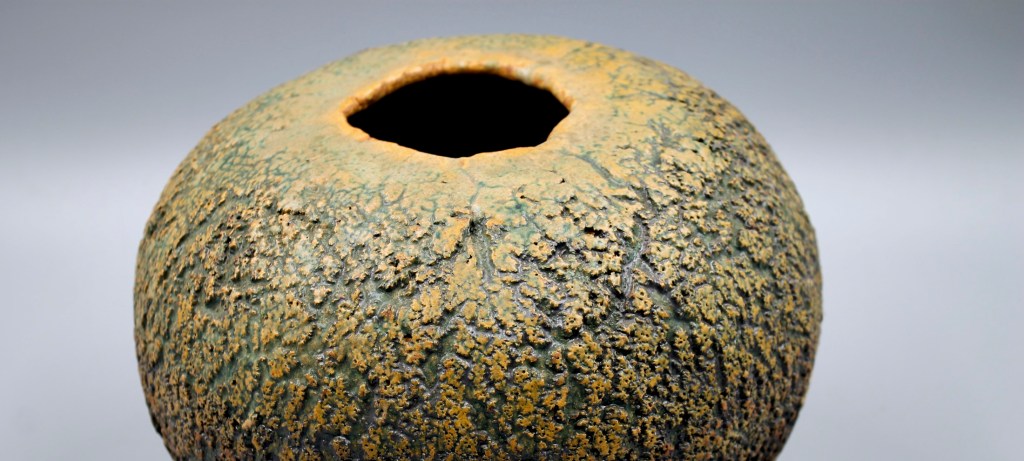
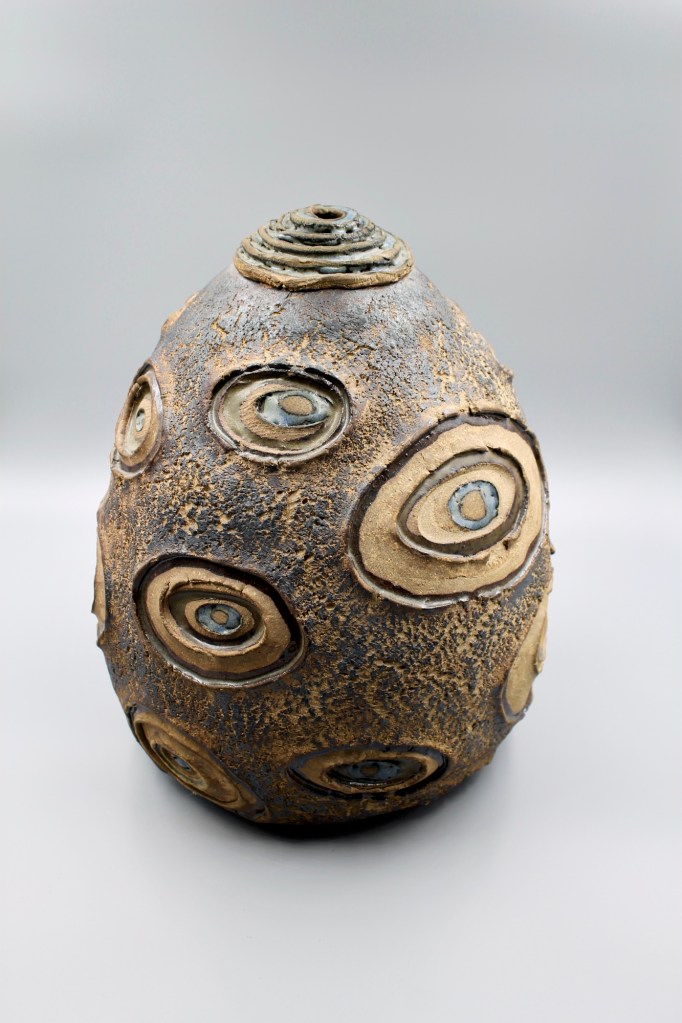
Monona Rossol : Ceramics Gallery
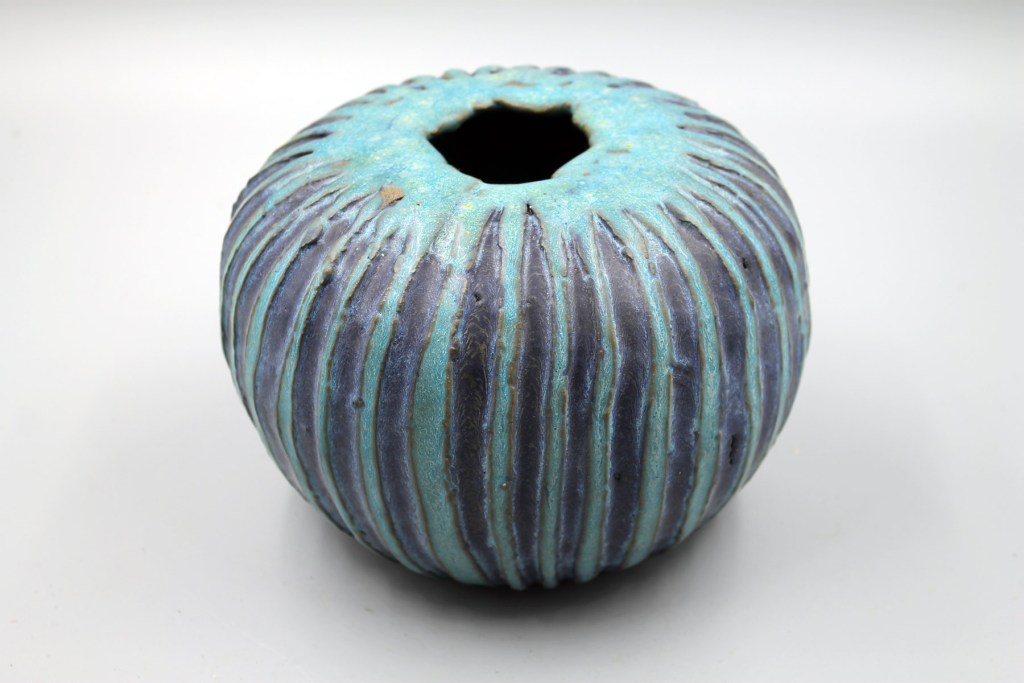
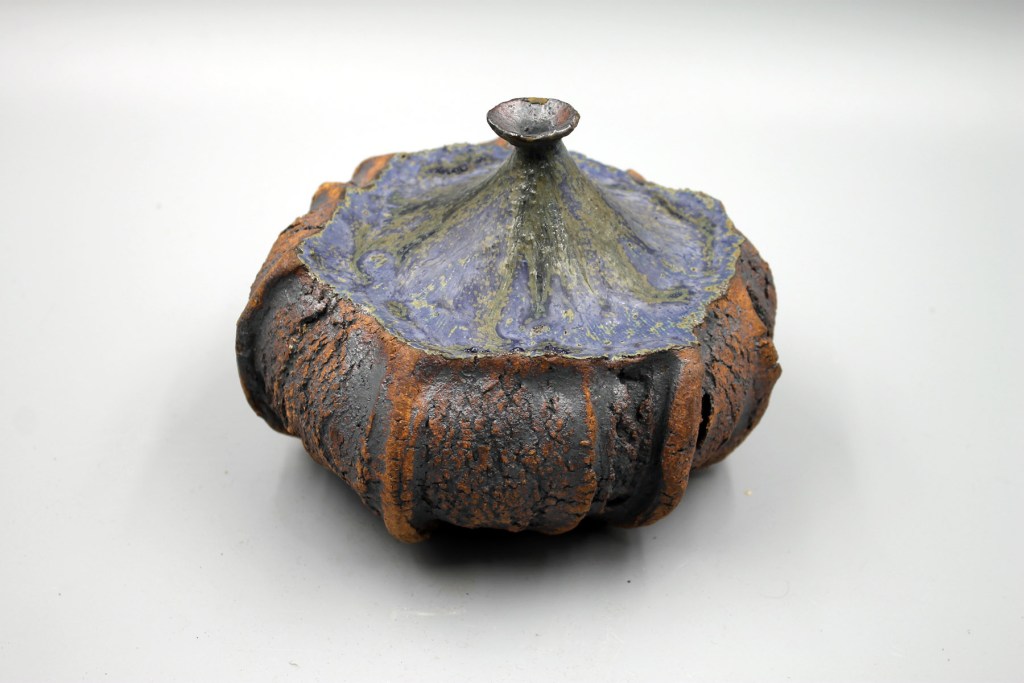
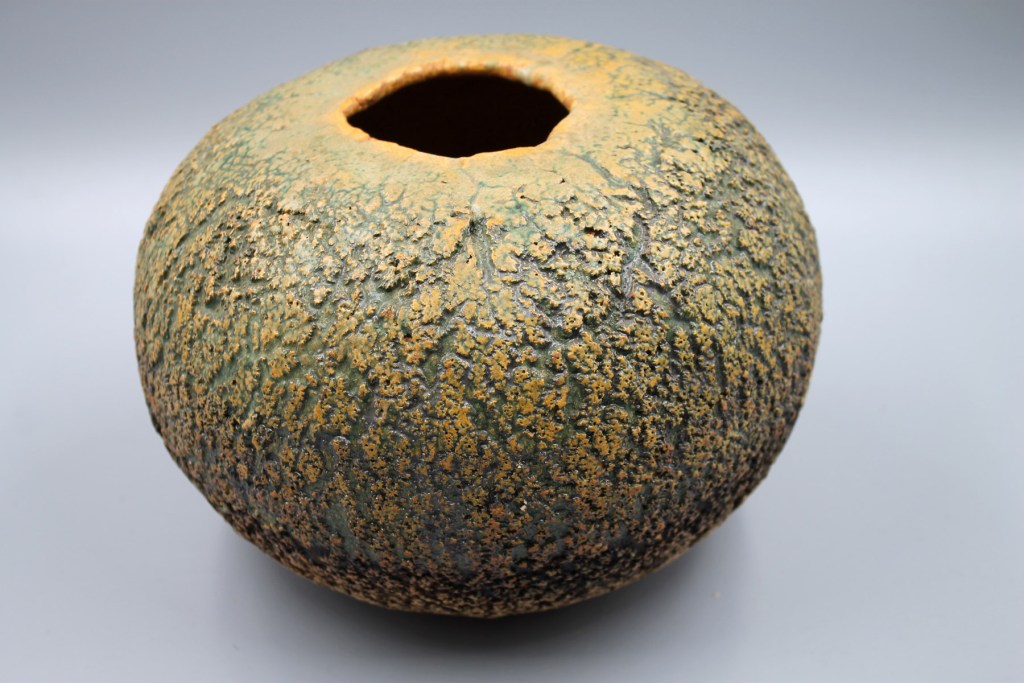
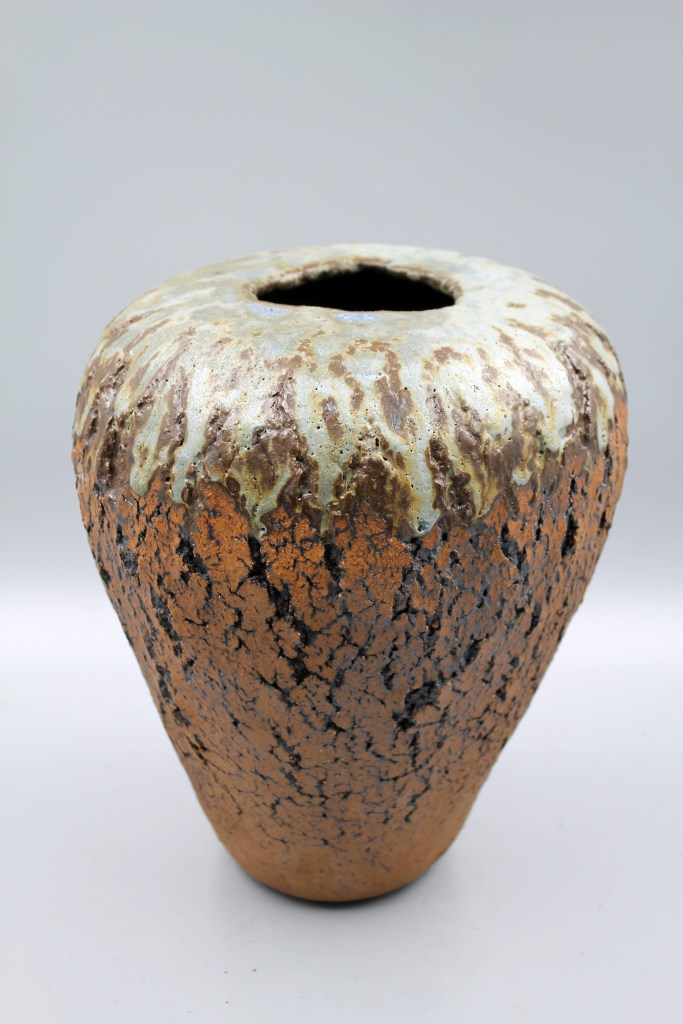
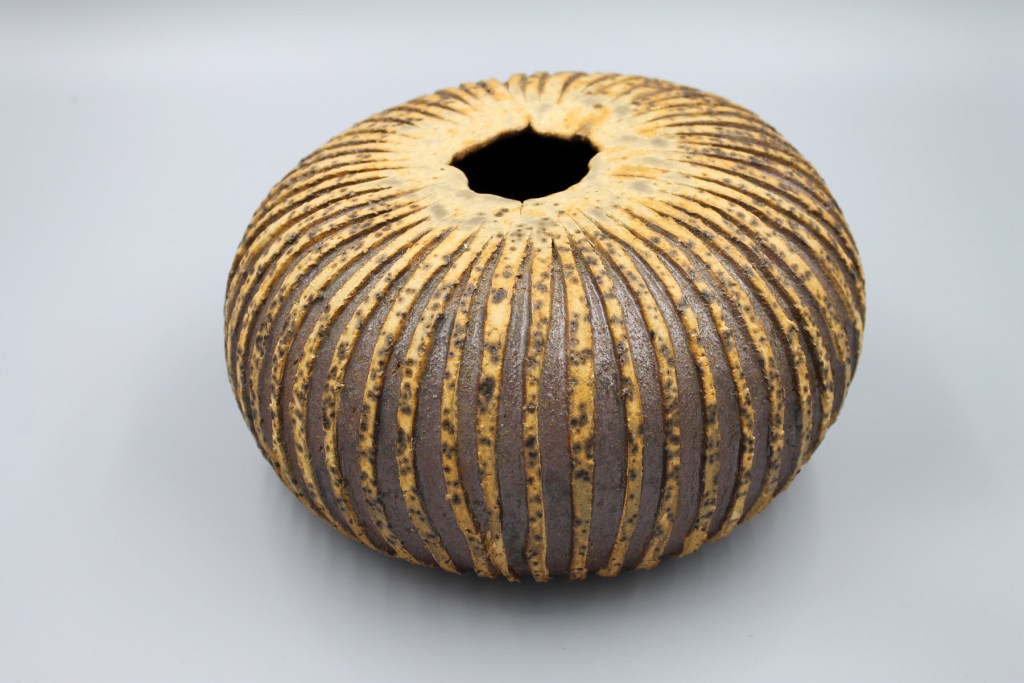

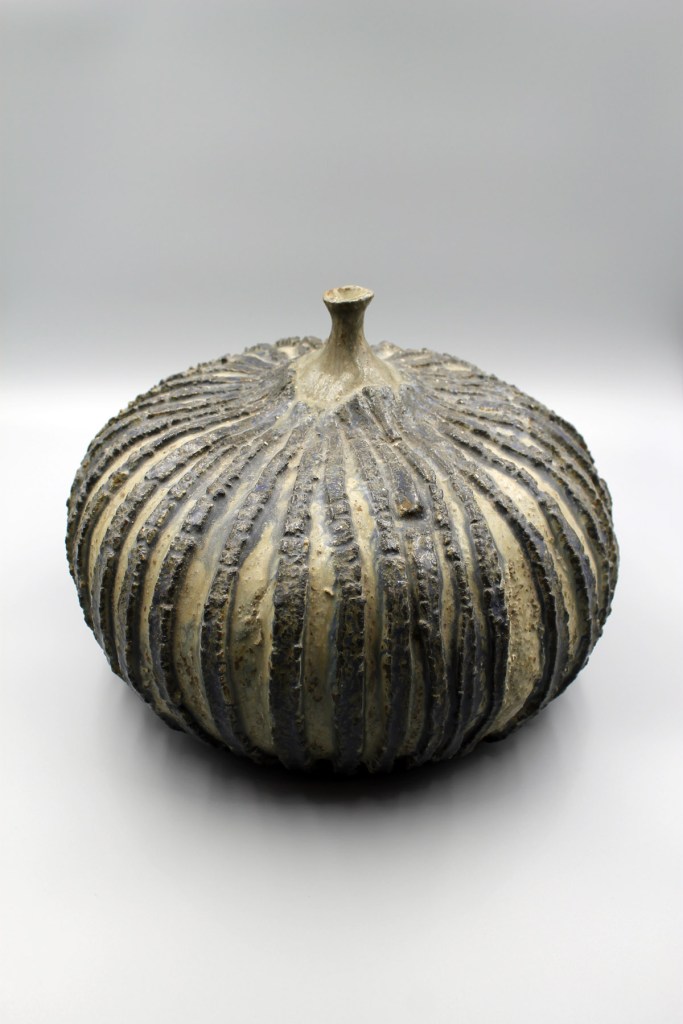

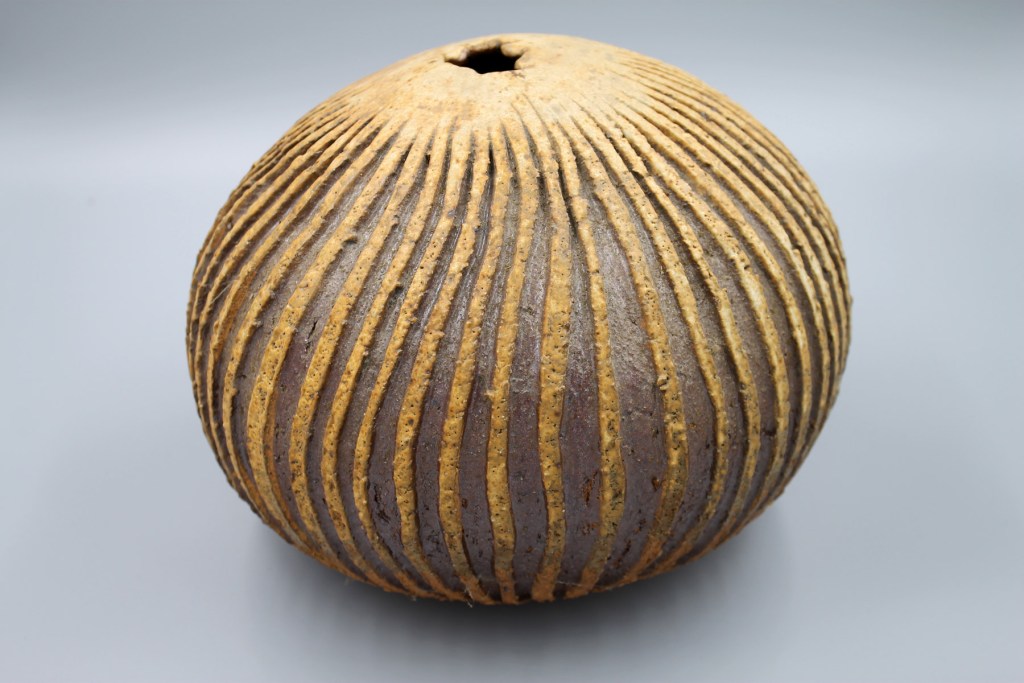

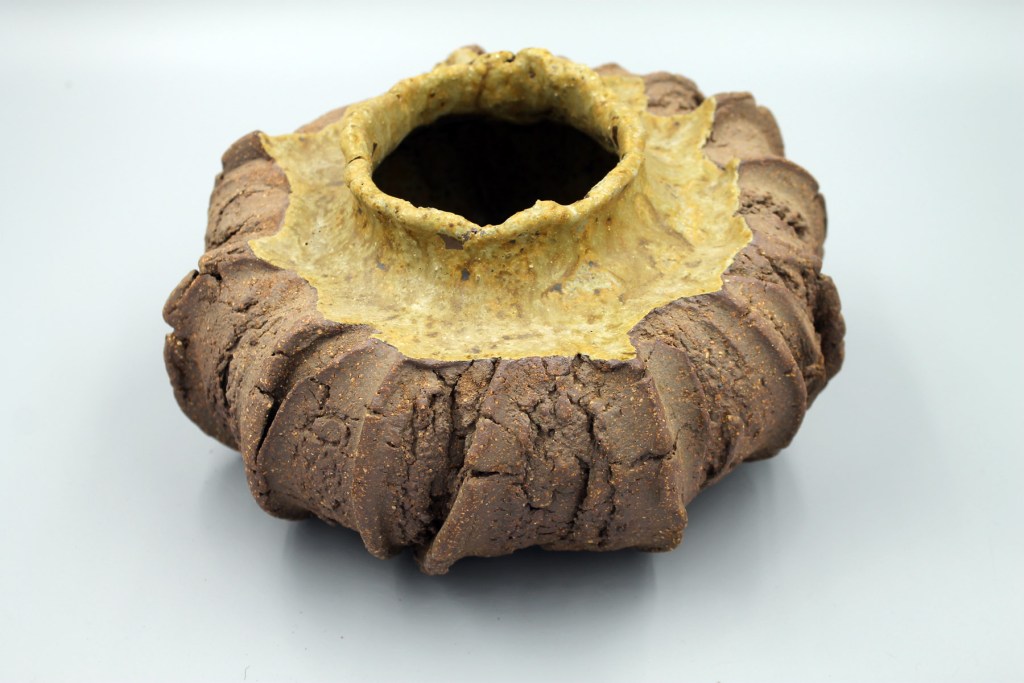
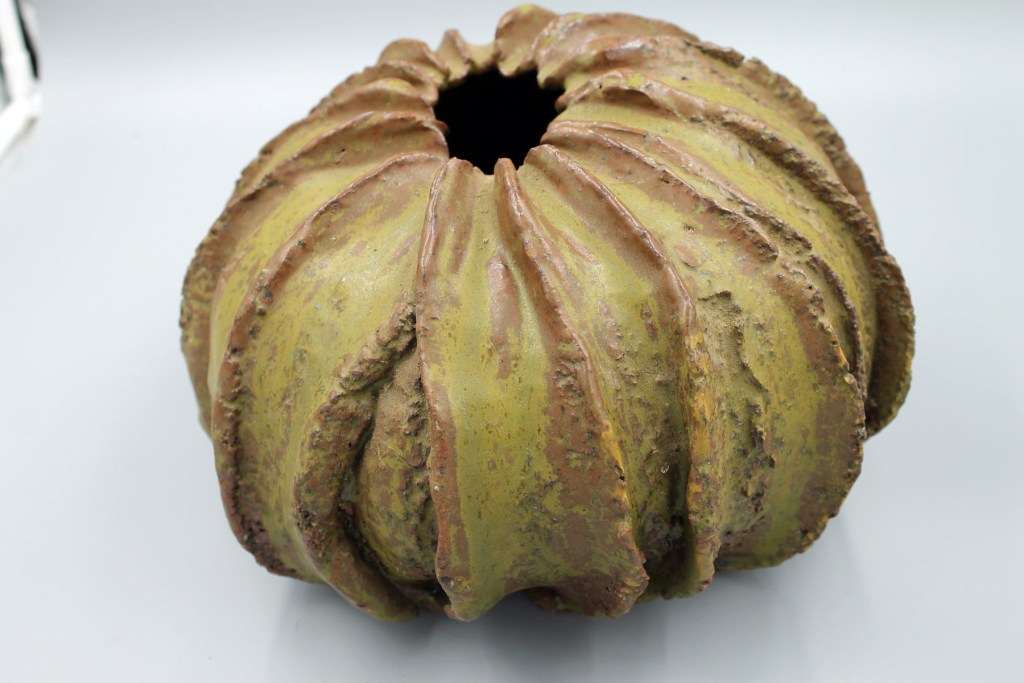

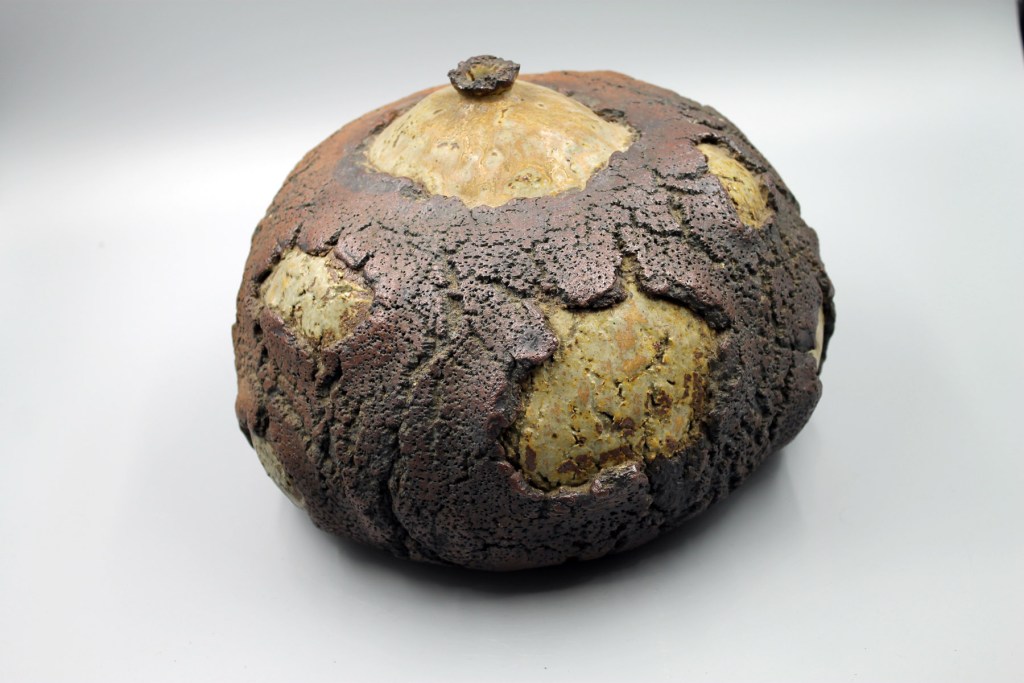

Artwork in the Madison Museum of Contemporary Art Collection