
Stripping | The safest stripping system for printmaking and painting | Making up the sodium carbonate solution | Finishing touches | Straining and disposal

brass etching; (Gracefield Art Center, Scotland, 2000) acrylic marks and reticulations were etched and then removed in a soda ash stripping tank to reclaim the plate for printing
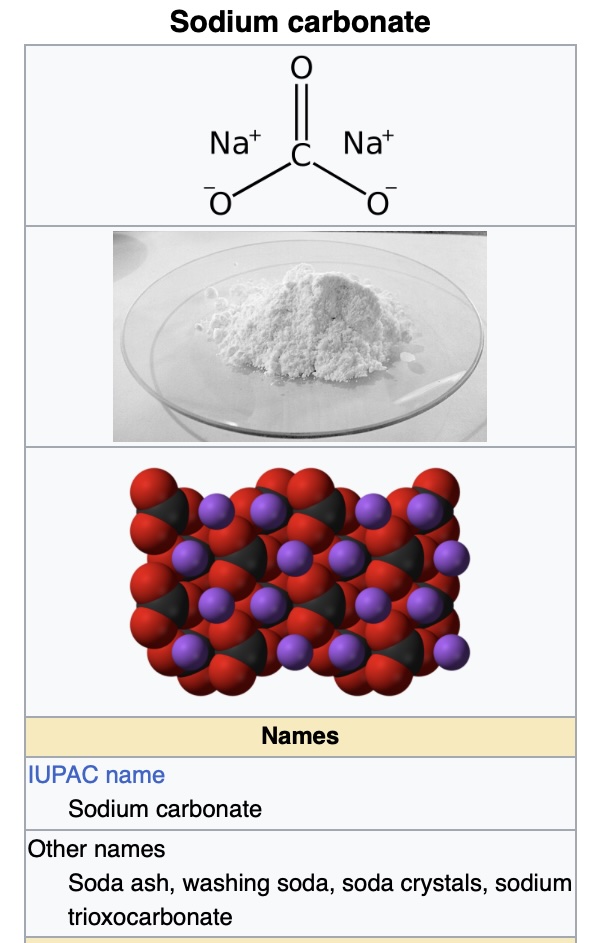
( https://en.wikipedia.org/wiki/Sodium_carbonate )
The acrylic resists used in etching always have to be able to do two things; they must be resistant to corrosive action but they must also be easily removed after etching the plate.
In traditional etching, the reclaiming stage invariably involves the use of volatile organic solvents, the dangers of which have been outlined.
In acrylic resist etching, however, the stripping stage is very different. It is founded on the fact that the molecular bonds of acrylic paints or mediums — although highly corrosion resistant — weaken, transform, and break down in an alkaline stripping medium. This can be a dip tank, a bath, or direct action on the plate (or painting) through a brushed-on paste.
Many of the traditional problems simply do not arise; the workshop or studio atmosphere is kept free from damaging fumes, no rags are needed, and spent stripping solution can be discarded safely and easily. As with all chemicals, some basic safety precautions should be followed.
NOTE: these methods can also be used by acrylic painters to dissolve and remove hardened paint.
The safest stripping system
A wide range of alkaline salts can be used for stripping acrylic grounds. The exact mixtures very much depend on the kind of acrylic resists that need to be removed, and ultimately, each artist/ workshop/ educational institute should employ a stripping method or methods best suited to their specific requirements.
Possible stripping alkalines range from agents such as Ajax or Comet domestic cleaner and ordinary washing soda through to the very powerful but corrosive caustic soda, (lye) the use of which is generally not recommended in concentrated form (it can burn human tissue) unless used with the strictest precautions and dilution.
Where a safe and foolproof method is paramount – this applies particularly to workshops used by beginners or for artists practising acrylic resist etching in their private studios in a more makeshift environment – the following system is best. The main ingredient of the safest stripping solution is commonly known as washing soda or soda crystals. Its chemical name is sodium carbonate. Small quantities of this inexpensive alkaline are often used for domestic purposes such as unblocking drains, and can be obtained from most hardware stores or supermarkets. Larger supplies can be ordered from local chemical wholesalers.
Once the sodium carbonate has been dissolved in purified warm water, and mixed thoroughly with a wooden stick or spoon, it can be used to fill a tray or tank where it provides a good stripping solution for any kind of acrylic ground. A plate covered with hardened aquatint, stop-out varnish, hard or soft ground, or photopolymer film is immersed in the alkaline bath and left to soak. Most resists will be weakened and then dissolved in a matter of minutes, whilst thicker deposits of resist may require slightly longer immersions solution for up to 15-20 minutes.
After pre-soaking in the alkaline bath or tank, slight scrubbing with a soft brush or rag in warm soapy water should remove the weakened acrylic. This can be used as a creative process, and there is the possibility to paint / etch with thickened soda ash. This mark-making could be used for re-etching or aquatinting, if acrylic residues are allowed to re-polymerize in heat.
In our experience, baking soda (sodium bicarbonate), sprinkled very lightly on the plate surface is perfect for the removal of the last thin layers of resist. Artists also use local acidification through adding a small amount of soy sauce or vinegar to help lift areas of acrylic.
TIP: wear nitrile gloves when scrubbing a plate with alkaline mixtures
A slight limitation with the sodium carbonate stripper lies only with the fact that it is somewhat less effective on strong acrylic binders such as Plextol as used in an extra strong stop-out varnish; or on multiple layers of acrylics that have been allowed to cure for long periods of time. In rare cases plates have to be immersed for up to an hour or more to reclaim the bare metal surface.
check our Safer Solvents page for newly added stripping methods for acrylics (extensive new updates to come in 2027/28)
Making up the sodium carbonate solution
MATERIALS
Products and equipment needed to make the stripping solution:
sodium carbonate crystals – kept in an airtight plastic container to prevent the absorption of moisture dust mask, goggles, gloves – wear when handling soda crystals which can give off a fine dust that can be a mild irritant warm water tray/stripping sink
METHOD
Mix the stripping solution as follows:
1. Mix the soda crystals into warm water at a ratio of about 2 parts water to 1 part soda crystals. Remember it is good practice to wear protective gear when mixing solutions. The solution can occasionally be refreshed by adding more crystals. Use the solution while it is still warm as it will be more effective.
2. Place the plate in the stripping solution.
3. Once the plate has been immersed in the stripping solution for a while, carefully take it out of the bath, allowing excess liquid to drain off.
4. Rinse the plate with cold water in a stripping sink. At this stage the jet of cold water should simply remove any leftover particles of liquid hard ground or photopolymer film.
5. Thick layers of acrylic ground may require gentle scouring using Ajax / Comet and a soft brush before being rinsed with hot water. This usually removes the last traces of acrylic but in exceptionally stubborn cases, plates can be returned to the stripping solution to soak a little longer.
6. Once the eroded metal surface has fully emerged, squeegee all excess water off and place the plate in a drying cabinet or blot with paper towels. After having come into contact with a variety of chemicals plates often display a certain degree of tarnishing at this stage. This can be particularly true of zinc and aluminum plates which should not be left in the alkaline stripping solution for very long periods.
Acrylics removal through Saponification: The Benefits of water based de-polymerization
Dissolving and Stripping Paint without Headaches, Cancer, and Sickness
Chemists know the mechanics of alkaline reduction of polymers, acrylics, fat, and acrylics as a process called ‘Saponification’. The method is ancient, and is better known as the basics of soap making, where fats are dissolved in lye solution to make soap as we know it.
Saponification is water based. It is a viable alternative method to using volatile organic solvents to remove paint or grease, and the method is often employed in water based ‘eco’ stripping systems that are not considered damaging to health if used correctly. By comparison, solvent-based paint stripping and thinning causes hundreds if not thousands of deaths each year world wide.
The key to the enhanced safety of saponification de-polymerization lies in the inertness/self-containment of the process.
Organic Solvents, such as mineral spirits used say in a print shop or by an oil painter are always highly volatile, and involving the production of harmful airborne toxins, through vapor pressure. Often solvent stripping also involves exothermic runaway reactions which are very damaging to health.
By contrast saponification depolymerization processes are salt and soap generating processes within alkaline aqueous solution that are often both endothermic (not heat generating) and that have been shown to have no vapor pressure due to the fact that the chemistry is locally contained and not airborne. This is a huge benefit to artists and printmakers who wish to work in solvent free air.
Some basic ventilation, such as an open window or fan, should also be used with Saponification, as there may be low level alkaline or/and acidic vapors, according to the method used.
Finishing touches
Prior to printing, plates can benefit from being lightly polished with a rag containing some metal polish like Brasso as this brings out all the bitten detail, and in the case of sanded plates even removes the faint surface texture. Fine steel wool, emery paper or fine grit sandpaper can also be used.
Straining and Disposal
If a lot of stripping is carried out, a substantial build up of floating acrylic residue is likely. This should be kept out of the drain both for environmental reasons and to prevent blockages. A simple straining devise (such as is used in kitchen sinks) will collect the waste which can then be removed at regular intervals and disposed of. More elaborate straining systems can be incorporated in the sink design of professional workshops.
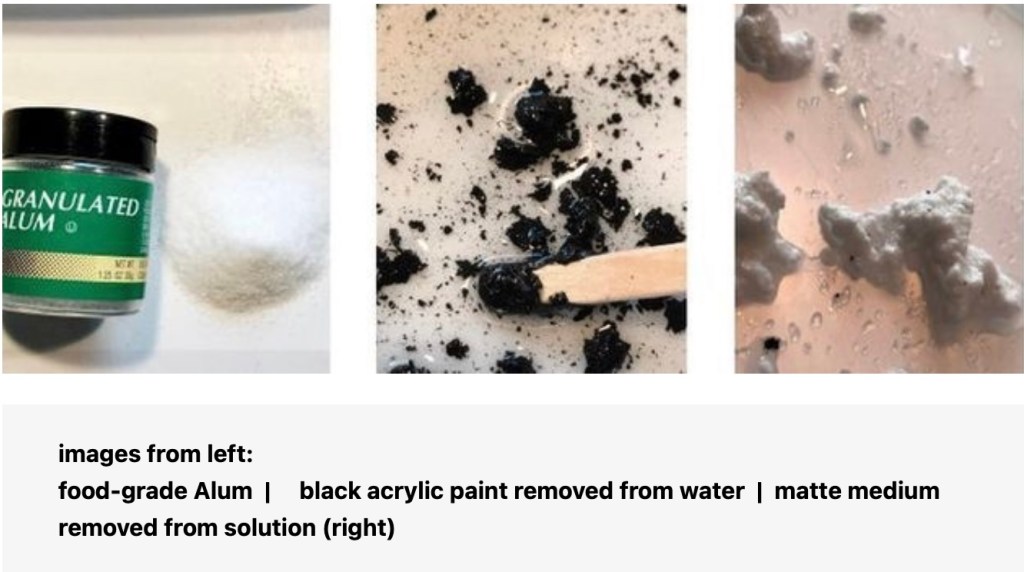
Flocculation, Oxygenation, and Dilution: Protecting Aquatic Life
Add a small amount of alum powder to the exhausted stripping solution, and this will remove and solidify particulates which can be strained off, dried, and treated as solid waste. The remaining watery liquid which contains a disassociated and homogenous blend of soaps, glycerin, salts, and some heavy alcohols, should be oxygenated, before it can be diluted with plenty of water and decanted down the drain. Options for oxygenating the stripper bath include adding a small amount of hydrogen peroxide or an oxygenating enzyme booster for laundry applications. (most municipalities allow alcohol in water concentrations of below 1% in waste water; but it is recommended to go much lower than what is required).
The above dilution and oxygenation process ensures that the stripping bath for disposal poses no threat to aquatic life or to the bacteria that are used in water purification and septic systems. The chemical addition of oxygen to the solution ensures bio-compatibility.
NOTE: ensure the bath has a pH that is about neutral (pH 7) before discarding; if needed use some vinegar to make the bath less basic.
Soda Ash and Sodium Bicarbonate (Baking Soda)
You may use either compounds for the methods outlined here – soda ash (sodium carbonate, pH 10) is a stronger, more alkaline stripper than sodium bicarbonate (baking soda pH 8), but both work, and both are considered safe and food grade if used with precautions.
Lye (sodium hydroxide) makes the most alkaline stripping bath (pH 13/14) — effective as a corrosive ‘power stripper’ – but use great caution.
Small amounts of lye can safely be added to the sodium carbonate or sodium carbonate solutions to increase strength.
NOTE: the higher the pH the more alkaline and corrosive the bath