
by Fabiola Mercandetti

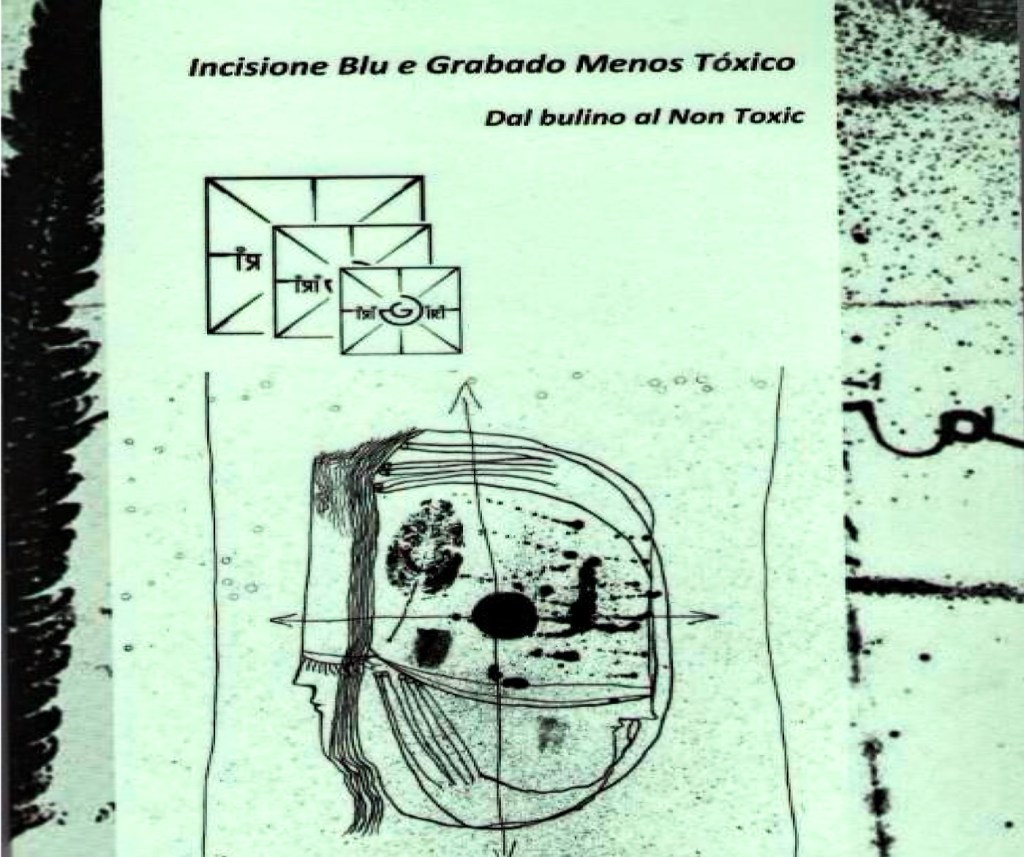
Dal bulino a non toxic 2018 Title : Incisione Blu e Grabado Menos Tòxico Dal bulino al Non toxic
Authors : Maria Causa, Pablo Delfini, Fabiola Mercandetti
Page 142. Ediz. Gruppo GIRI 2018- Italian
Regeneration of Saline Mordants, di Fabiola Mercandetti
Why regenerate Metal Salt Etching Solutions?
Due to maximum corrosive action, acid etching using mineral acids is a simple, powerful, often poorly controlled, and intrinsically dangerous process. By contrast, the metal salt etching systems established and studied since 1991 use large electrically charged metal molecules that do the actual ‘work’ in etching. This happens within a mildly acidic and electrically conductive medium. To some degree all of these new etching solutions have the ability to be regenerated, and some even regenerate by themselves. If used correctly, etching can be done much more effectively and with minimal chemical waste than in the past! (editorial note).
I have written two extensive notes about this subject, and a comprehensive research paper has been deposited covering all variations and chemical formulas, one of which was published in September 2018 in the magazine “Noli Anitnegra” by Xylon Argentina, translated by Pablo Delfini.
There are also several unpublished studies that complement the previous ones. It must be specified that the regeneration of saline mordants is a problem has always been resolved in other sectors, such as industrial etching and PCB (Printed Circuit Board) manufacturing, as Nik Semenoff consistently highlighted.
This deeper analysis applied to mordants used in non-toxic etching was brought to light in Semenoff’s 2009 article, as I documented in my own texts, “Incisione Blu – Aggiornamenti” in 2015 and 2016, where I referenced the research on this matter.
During the summer of 2013, as previously mentioned, I was continuously writing to Semenoff. I was incredibly enthusiastic about our exchanges on chemistry and he was very kind with me. It was a very intense and exchange by lengthy emails, we were discussing about research and technical notes. I asked him about the mordant for copper, as I had found various proportions and possibilities; this simultaneously sparked questions regarding regeneration, which I confronted by analyzing different products and test of chemistry. During my workshops, my mind was completely fixed on this issue. The following summer, in 2014, I shared with Semenoff my experiment on sediment using vinegar, and I observed how this sediment transformed into copper acetate.
I will not dwell on what amounted to nearly hundreds of emails about our exchange and pages about chemistry, non-toxic movement, art, and so much more. Semenoff replied regarding my chemical hypothesis on sediment regeneration and about his experiments conducted on zinc in 2007, infact this mordant for zinc proved to be the most difficult to regenerate, though he had not kept notes of those tests.
Throughout our various emails and studies, we naturally discussed the differences in the chemical substances produced depending on the metals involved. Semenoff later responded to my vinegar experiment, stating that it was highly interesting and that he had never tried it himself. I sent him a study by O. Cakir (dated 1995), and we continued to delve deeper through pages and pages on the importance ofoxygen for various reasons—both for the regeneration of the mordant and for the biting process of copper.

Throughout 2014 and 2015, when I wrote “Incisione Blu” and “Updates- Incisione Blu”, I kept sending him continuous updates and hypothetical formulas, such as one of February 2015 regarding the chemical reactions of aluminum, and then other mordants. Semenoff taught me to look at printmaking as a living matter and at chemistry as something extraordinary. Thanks to this exchange with Canadian master, and the questions raised by master Nicola Manfredi regarding lithography on stone, I was driven to take on new challenges. Above all, I felt not only the urge to move toward innovation but also I need to maintain a bond with the origins of Printmaking—which are our roots,and we must move toward the new without ever denying them.
Driven by this intense work, mutual exchange, humility, and the inspiration provided by these masters, I arrived at the concept of Lito Sem (2015). I emphasize this how crucial collaboration is; it does not merely contribute to a person’s individual growth, but it also serves to expand the possibilities of all artistic technique. Not only does it offer lower toxicity, but this rediscovery of ancient solutions allowed—as Manfredi noted—for a formula like Lito Sem to be developed, yielding much more gradual tonal ranges that are impossible to achieve with nitric acid.
I only included a brief note on regeneration in my text of 2014. However, in May 2015, I resumed the 2014 tests and experimented directly on sediments in various ways to analyze the reactions and the different chemical substances (salts) obtained.
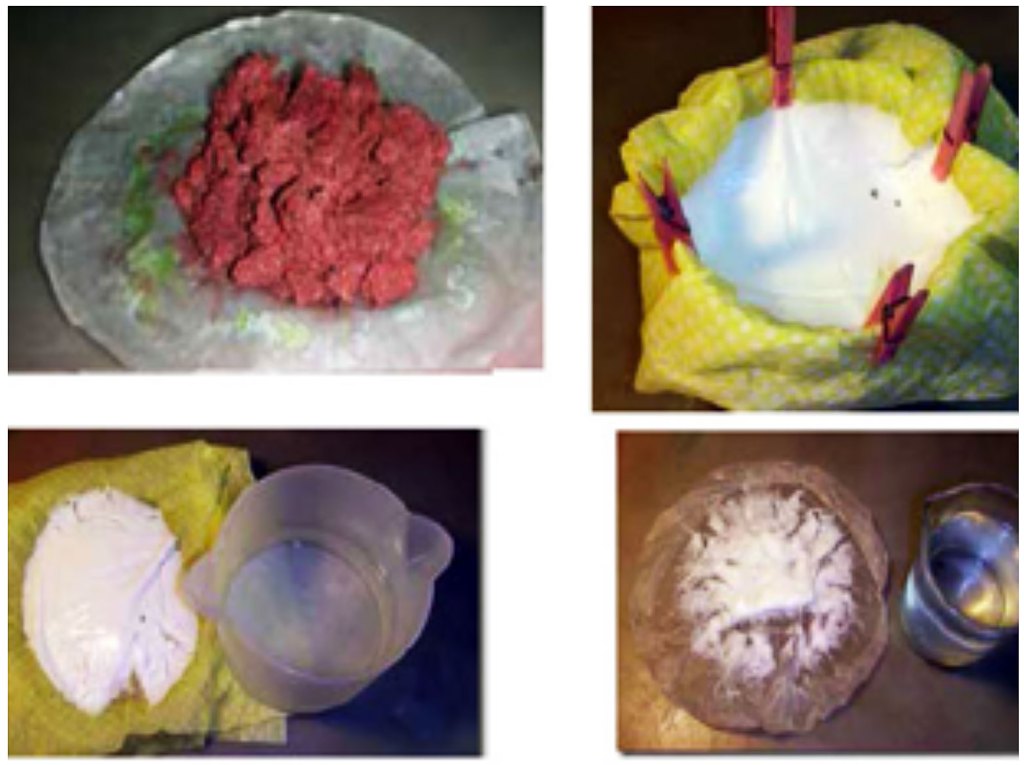
picture (Nik Semenoff) / in copper sulfate based etching, the various metallic copper sediments can regenerate if left in the bath / the process can be accelerated through re-acidifying the bath and through various chemical additions. This compensates for the buildup of alkaline hydroxides during etching which slow down the electro-chemical etching process
In short, I sent my text to the ALI at the end of March/April, featuring the specific note on regeneration and its different typologies, painterly methods on aluminum using new techniques derived from the traditional mezzotint (maniera bianca) converted to non-toxic, and the note on the Lito Sem method (stone lithography without nitric acid). This text was published in July but distributed in September 2015. Before publishing the entire work, I sought confirmation from the chemist Prof. Ulderico Santamaria (Director of the Diagnostic Laboratory for Conservation and Restoration at the Vatican Museums). I found him to be deeply interested, which sparked an intense and truly exciting exchange that, within a year, led to new collaborations. Semenoff’s article on regeneration was published on his website in June 2015, and unlike the Italian Printmakers, he cited my name and my research. The research from that period is gathered in the following article.
Methodology of Regeneration
The articles within this text are informative and do not represent a technical compendium. Nevertheless, it is necessary to emphasize that every procedure is continuously refined, improved in its steps, or in the choice of materials. This is an ongoing search for alternative products that must first be tested, and if they prove better and less toxic, they replace the previous ones. The update process is continuous. Furthermore, Pablo, Mariella, and I are evaluating and rediscovering tradition step by step. I believe this is highly important, especially in terms of valuing Italian research, as Mariella does—she is one of the few, because she very humble as Pablo and Semenoff, in fact, there is a lot of misinformation in Italy and, unfortunately, research activities face increasing obstacles.
A proper setup is necessary for the correct recycling and disposal of the chemical substances used. Thanks to the exchange with Semenoff indicated above, as well as with other masters, it has been possible to continuously perfect these procedures for a more correct use of saline mordants. These procedures are little known in their entirety and complexity, varying depending on the metal used, just as the chemical reactions and regeneration differ for each specific mordant. To each mordant correspond precise directives for regeneration, recycling, and eventual monitoring to limit even the slightest diffusion of chemical substances into the aquatic environment. Recently, Friedhard Kiekeben ensured the use of a filtration
system, particularly for the various stages during and after the biting process. His research thus builds upon preexisting studies on regeneration and recycling.
Print Gallery

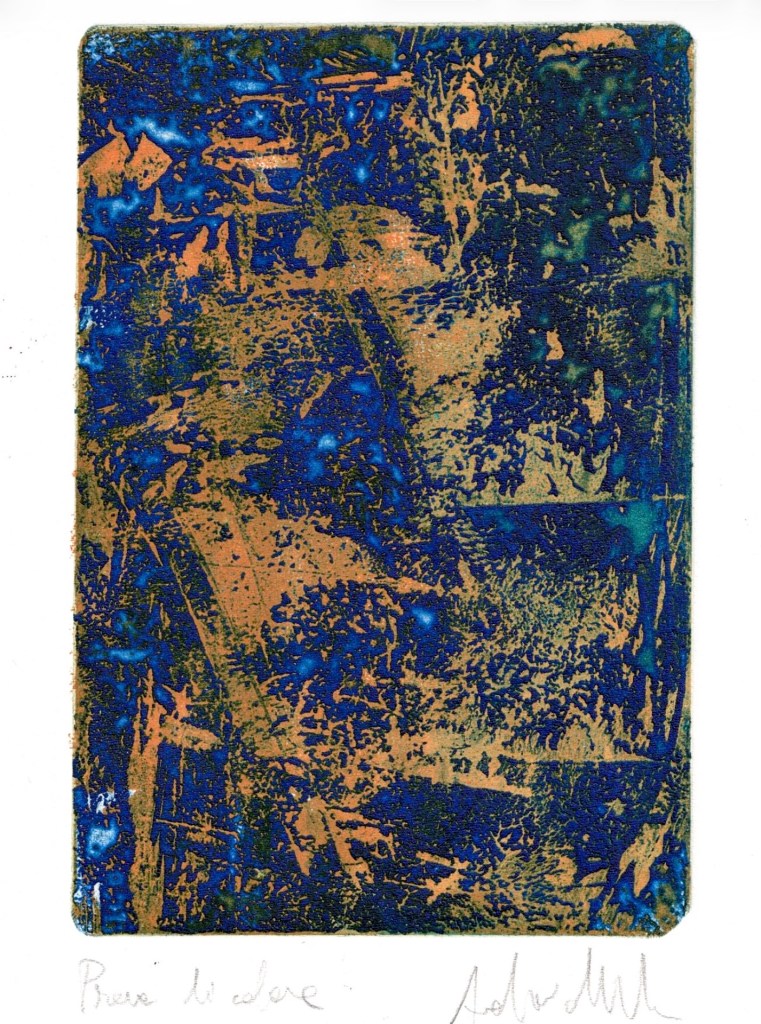
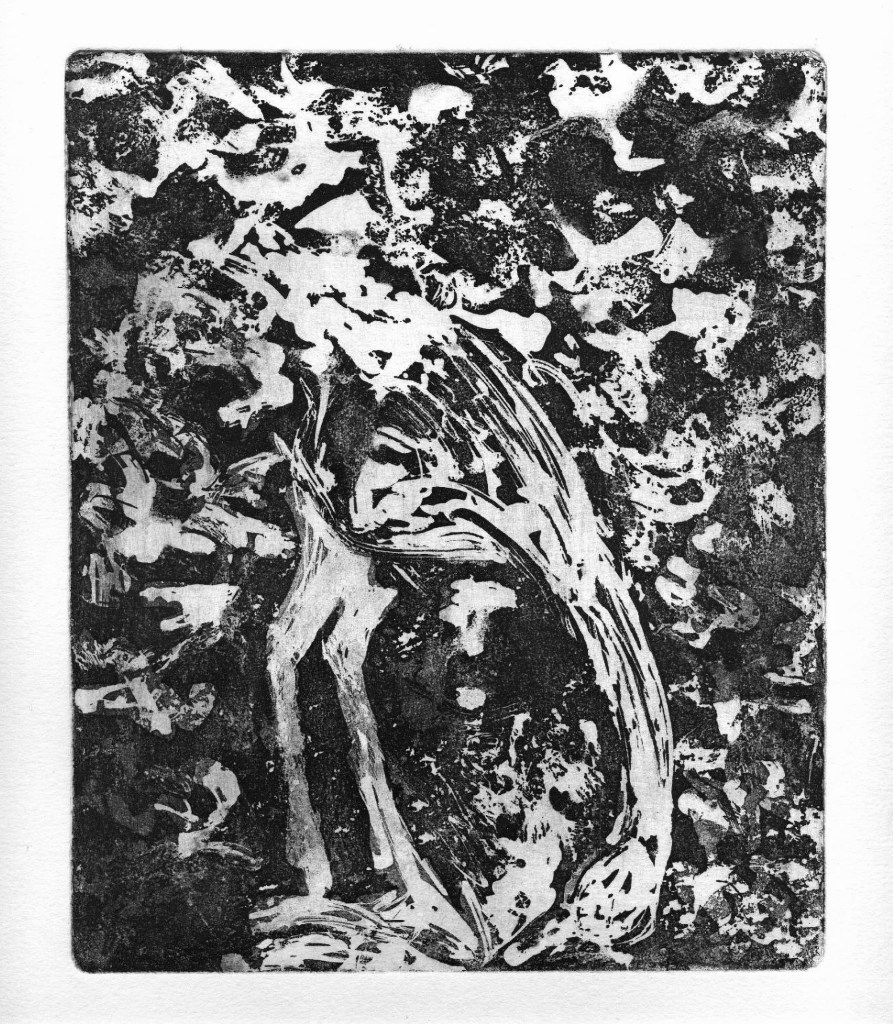
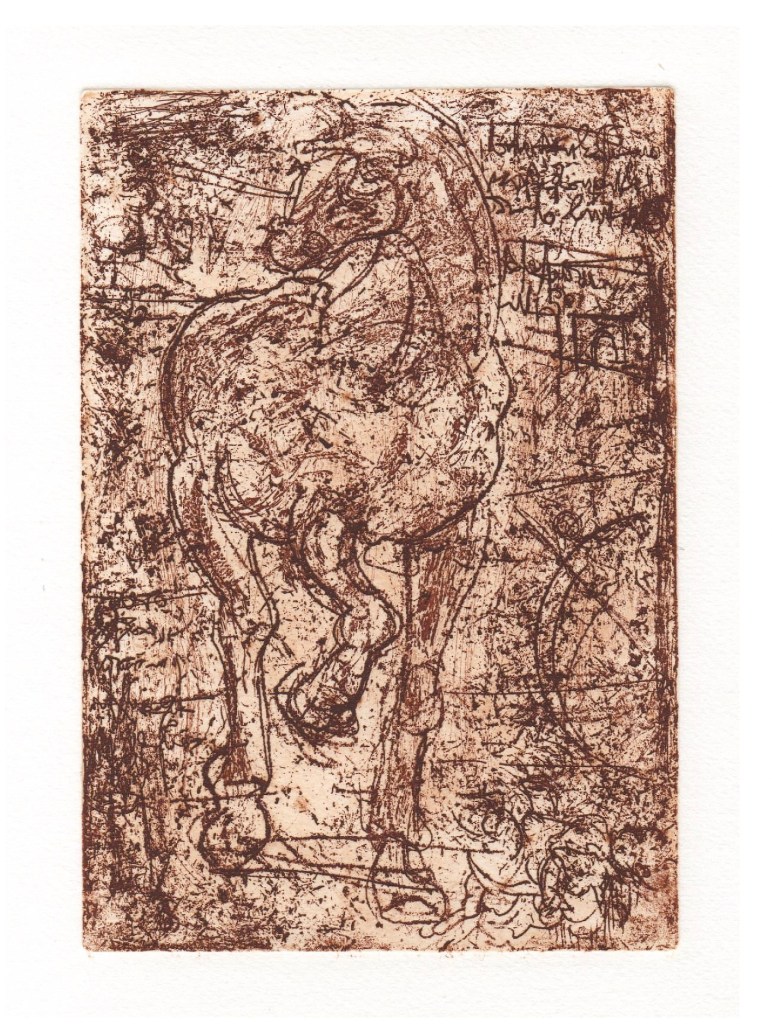

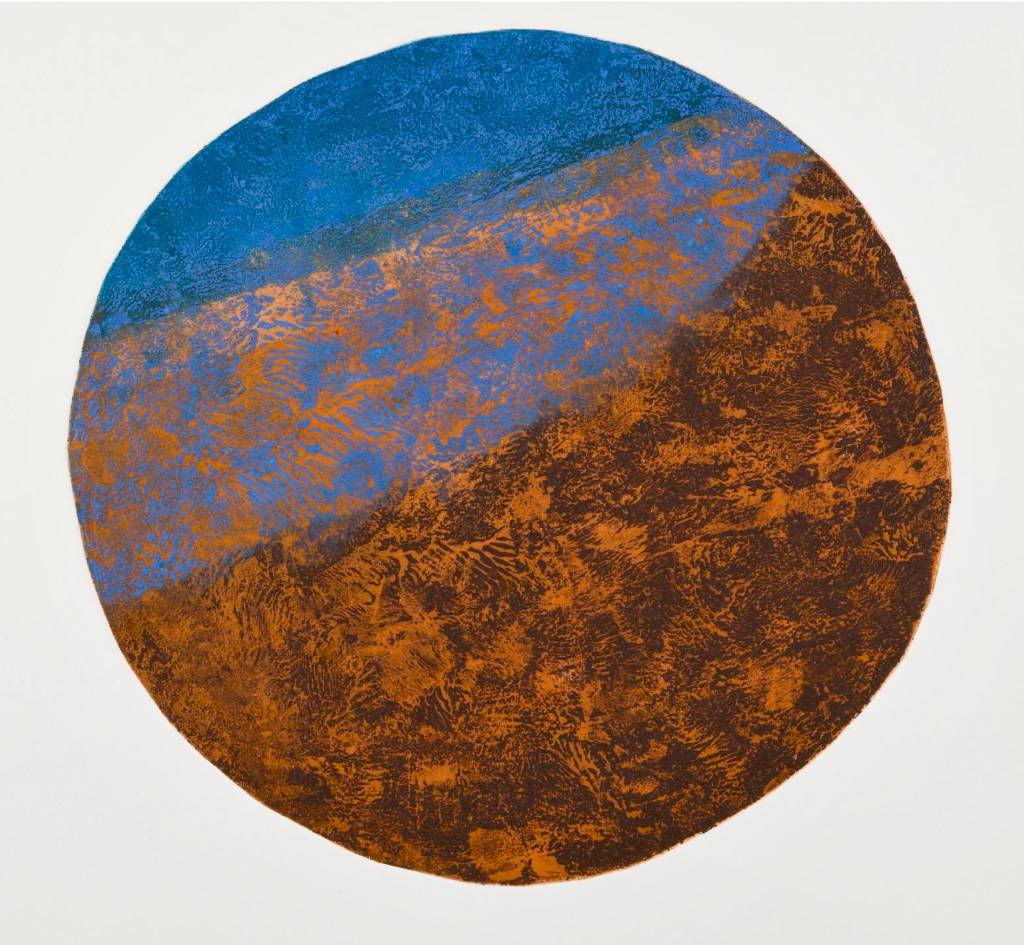
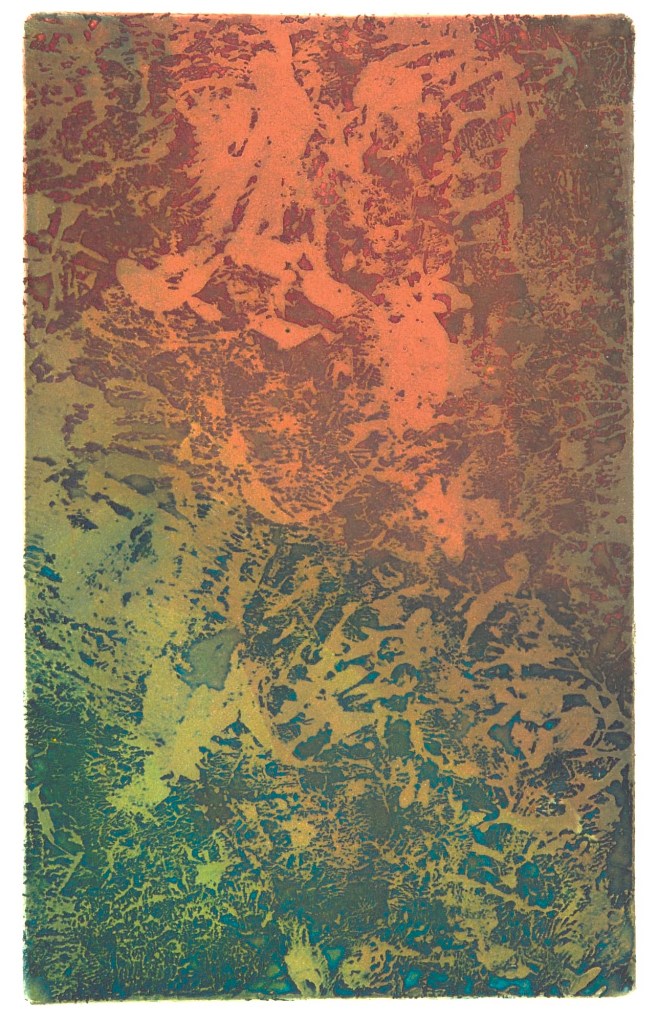

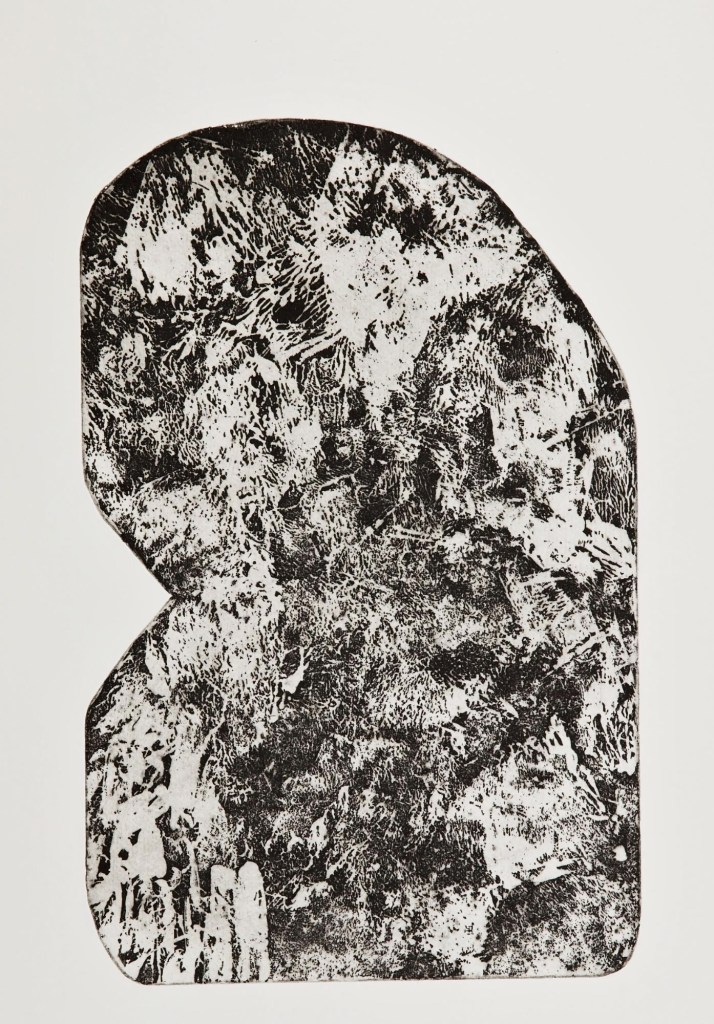

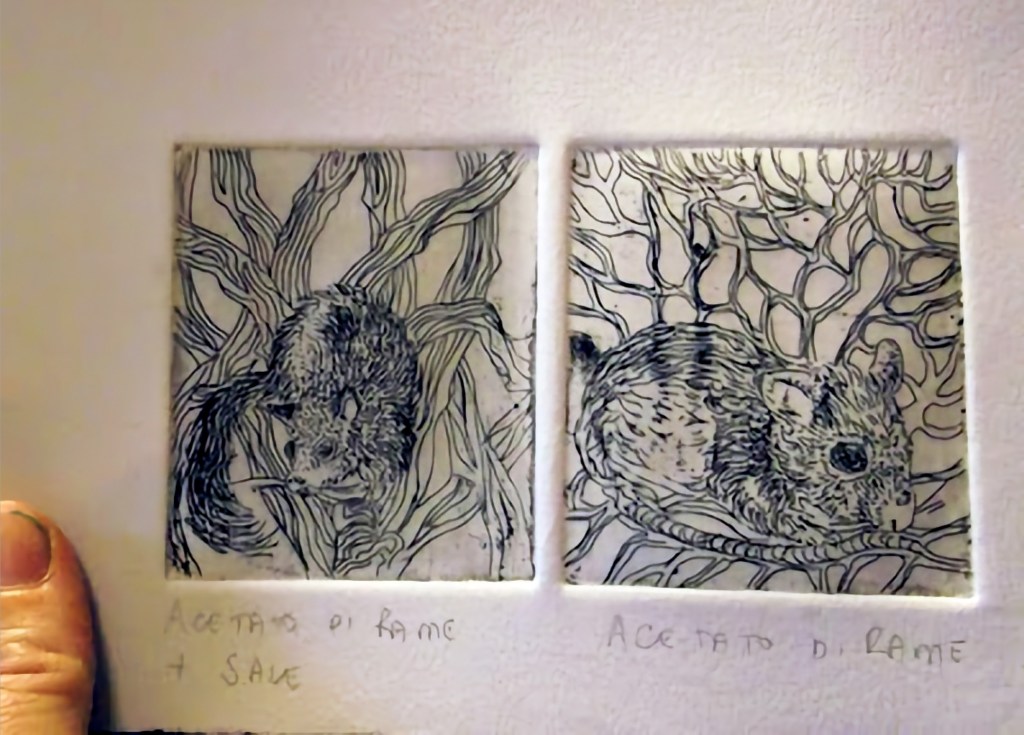

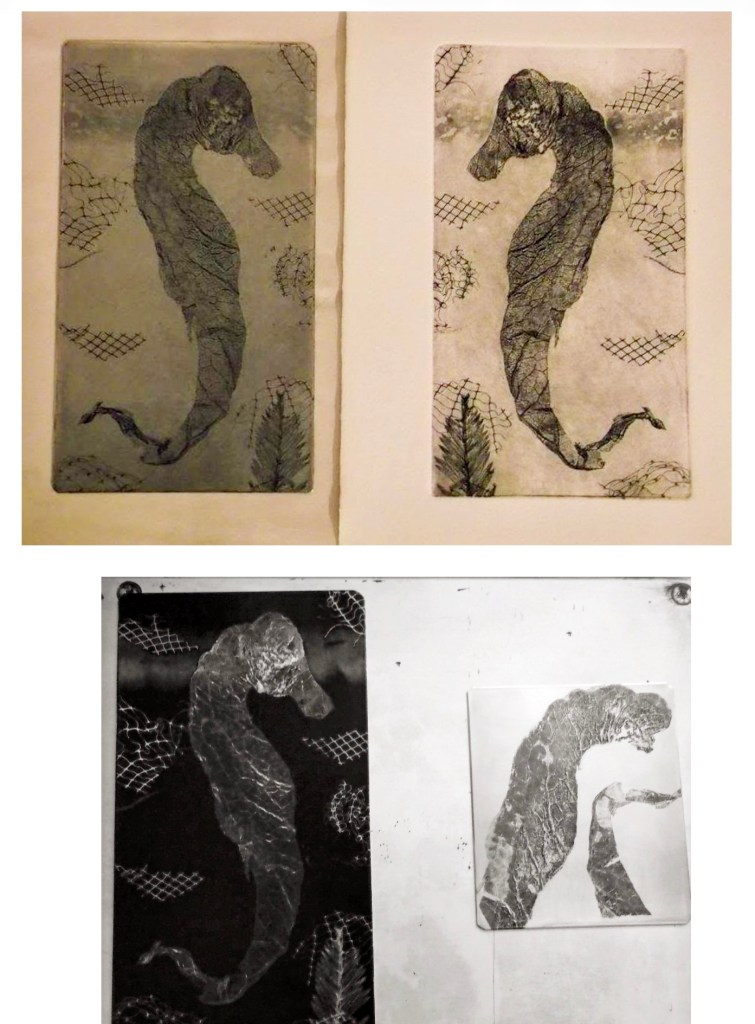
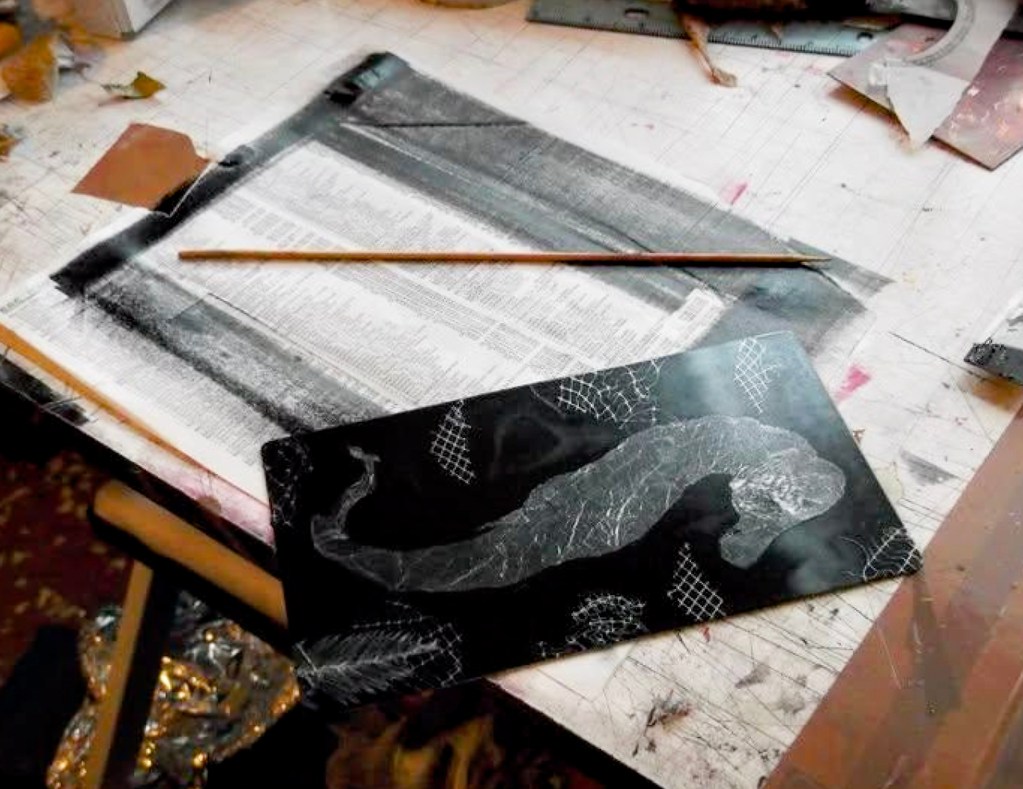
There are precise phases during and after the use of the saline mordant; for instance, the tank must be equipped with an alternating washing (rinsing) system consisting of a series of two steps with two different washes, where everything is recycled and ultimately disposed of, also utilizing Kiekeben’s system.
Saline Mordants and Regenerations 2013-2015This note is derived from a 2015 study, updated in some parts. I will briefly describe the genesis of saline mordant regeneration. This copper salt has been used since the very dawn of etching (intaglio on metal by mordant) as one of the base products of ancient mordants composed of chlorides, sulfates, and vinegar. Its electrochemical properties have been rediscovered over the centuries, and its ability to corrode metals has been revived in the contemporary era through simplified procedures. Printmakers Nik Semenoff (article in Leonardo, 1998) and Cedric Green (1998-2002) developed various recipes using this copper sulfate for metal etching. Today, these mordants are known as “non-toxic or safer mordants” and have replaced dangerous nitric acid and other acids.
In 1998, Nik Semenoff published two formulas in the journal Leonardo: a simple one based on copper sulfate and sodium chloride for etching zinc, and another recipe with the addition of sodium bisulfate for aluminum, to prevent the formation of aluminum hydroxide (a gel that forms during the etching process).

a sample etching from a zinc plate where the copper sulfate bath was acidified with vinegar
In this article, Semenoff had already envisioned the regeneration of the etchant. During etching, a chemical reaction known as a reduction-oxidation or redox reaction takes place, in which the metal oxidizes and the copper sulfate reduces; in other words, an exchange of ions occurs, altering both substances (the metal and the copper sulfate in aqueous solution). In addition to modifying the metal and the etchant (copper sulfate), this reaction triggers secondary reactions that form solid residues/sediment released into the solution. Depending on the products used (the recipes), these residues will consist of metallic copper, copper oxides, copper and zinc hydroxides, and other chemical substances, such as sodium sulfate if sodium chloride is present in the recipe—whereas, for example, citric acid dissolves this sulfate.
Semenoff explains that sodium chloride already provides chlorine, thereby extending the lifespan of the copper sulfate. Furthermore, he indicates a spontaneous regeneration by leaving the etchant at rest and in contact with oxygen (O2). The saline etchant certainly tends to regenerate in the best possible way thanks to the presence of sodium bisulfate, which, combined with sodium chloride, forms a weak hydrochloric acid solution. Another key factor is the addition of oxygen (whether natural, mechanical, or via hydrogen peroxide). In his research, Semenoff drew inspiration from the methods used in the PCB (printed circuit board) industry, where cupric chloride (CuCl2) is used instead of ferric chloride (FeCl3).
In industrial etching literature and research, the regeneration of the saline etchant (cupric chloride) is similar to the method proposed by Semenoff, who formulated a cupric chloride solution derived from a mix of copper sulfate, sodium bisulfate, sodium chloride, oxygen, or hydrogen peroxide (see Semenoff’s 2007 research and the 2009 article in Printmaking Today). Semenoff developed a less expensive cupric chloride recipe, as pure cupric chloride is highly expensive and difficult to source. There are different ways to regenerate copper sulfate. Such research in the field of industrial etching is cited in the articles by O. Cakir (“Photochemical machining of brass with cupric chloride etchants”, 1996; “Copper etching with cupric chloride and regeneration of waste etchant”, 2006; “Chemical machining”, 2007), and among these methods, we find precisely the addition of hydrochloric acid (HCl) and hydrogen peroxide (H2O2). Semenoff cites the research of A. Seychell (2005), who outlines an aeration system (an aquarium pump) and the use of hydrogen peroxide (H2O2) for the regeneration of cupric chloride (see Semenoff’s website http://www.ndiprintmaking.ca/).
The various regeneration hypotheses evaluated and proposed by previous studies and within the printed circuit board industry are well-covered in O. Cakir’s 1996 study, which dedicates an entire chapter (4) to the regeneration of saline etchants (cupric chloride and ferric chloride).
I will briefly illustrate the research concerning this regeneration of cupric chloride, leading up to the suitable products and the possible solutions adopted by Semenoff, who conducted all these observations and corresponding tests. In this way we could understand, how much effort lies behind these work and research.To simplify, among these various methods identified in Industrial Etching, the most accessible can be distinguished in:
• – Regeneration through the addition of Chlorine: Since the copper etching process with cupric chloride involves reduction (CuCl2turns into CuCl), chlorine is added via hydrochloric acid (HCl) according to the texts cited above;
- Regeneration with sodium chlorate (NaClO3): Proposed by other studies, this method provides oxygen but the substance is an irritant, an oxidizer, and dangerous to the environment; – Addition of hydrogen peroxide (H2O2): A non-toxic alternative, which is more expensive on an industrial scale but highly feasible in artistic printmaking (adapted by Semenoff); – Regeneration by oxygen (O2): Which Seychell later specified through the use of an aquarium air pump or other manual tools;
- Electrolysis and electrodialysis: More complex methods, where the former generates potentially flammable hydrogen (H) and the latter is a variant of the first method.
(Naturally, we exclude processes using toxic materials).
Starting from these studies and those of Semenoff, I began to reflect on the chemical formulas and evaluated several solutions beyond those proposed by Semenoff. Many printmakers—as I noted in my 2015 article—frequently use Green’s simple formula (Bordeaux Etch) based only on copper sulfate, the issue of sediment is quite problematic. After the etching process with this specific etchant, the resulting residues/sediment do not regenerate due to the absence of other chemical components important for such regeneration, as occurs in Semenoff’s mordant. These residues/sediment are often neutralized or carelessly poured down the drain. This happens both during the etching phases when the etchant is active and after it has been exhausted. Often, printmakers do not know and do not follow proper disposal and safety regulations, they ignore the different possibilities. For instance about Bordeaux Mordant—which does not regenerate if left with only copper sulfate and sediment—we can either adopt regeneration methods or use sodium carbonate (soda ash or Solvay soda) to alkalize the exhausted sulfate. In fact, this could be useful either to regenerate the etchant or to produce copper carbonate, which is also utilized in the Raku ceramic technique.
There are always two ways : regeneration or recycling.
For this reason, between 2013 and 2015, I experimented with sodium bisulfate both on Green’s etchant and residues; subsequently, I used sodium bisulfate and sodium chloride directly on the residues extracted from the used mordant. I observed in my tests that after leaving the residues (metallic copper filtered and removed from the mordant after etching) in a solution of sodium bisulfate dissolved in hot water, the sediment (copper metallic and oxide) converts and turns blue again after a few weeks, returning to copper sulfate. Conversely, if we add sodium bisulfate and sodium chloride, this sedimenti metallic transform back into a green cuprous or cupric chloride (depending on the quantity). Everything depends on the amount of residues/sediment; if it is minimal, regeneration can occur immediately by brushing.
Later, I added hydrogen peroxide to the sodium bisulfate and sodium chloride (as practiced in the PCB industry and by Semenoff), and the reaction in this case was instantaneous.
This regeneration of copper sulfate can be integrated directly into the initial recipe (Semenoff’s etchant) or in a later moments (Green’s Mordant).
According to my studies and observations, these different methods, already described in previous articles, can be categorized as follows:
- Slow regeneration: (Semenoff’s mordant, without the addition of any other product, thus allowing it to react with atmospheric oxygen) or with the addition of sodium bisulfate, sodium chloride, and natural oxygen, according to specific arrangements; –
- Fast regeneration: (With the addition of oxygen, either through simple manual or mechanical means, or by accelerating the process with the addition of hydrogen peroxide).The addition of different chemical products will yield distinct results: – Adding only sodium bisulfate: This results in the regeneration of copper sulfate, meaning that metallic copper is converted back into copper sulfate (using natural oxygen or hydrogen peroxide, to be applied with proper knowledge and methods);
- Adding sodium bisulfate and sodium chloride (table salt): This yields a chloride solution, specifically cupric or cuprous chloride (CuCl2 or CuCl), using natural oxygen or hydrogen peroxide; – Adding organic acids: Adding vinegar yields copper acetate; adding citric acid yields copper citrate; adding other organic acids (such as tartaric, ascorbic, etc.) will produce further compounds.
© updated version; 2026
Fabiola Mercandetti
Bio
Fabiola Mercandetti Born in Rome, Italy. Engraver. Graduate of Artistic High School and Schools of Fine Arts in Rome. Specialized in Printmaking and she studied History of Printmaking Techniques. She works mainly burin (line engraving) and she wrote an essay about history of Line Engraving (“Sette donne a bulino”, 2007). She starts working to non toxic printmaking in 2005 and she wrote “Incisione Blu” (Blue Etching) in 2014. It is a book about a brief history of Non Toxic Printmaking and Mordants Saline with notes by N. Semenoff, E. Aizier and P. Mora.
She wrote an updating to Incisione Blu in 2015 with Three articles by F. Mercandetti, Mariella Causa and Eva Figueras. She wrote about burin and non toxic in 2016 article by Nik Semenoff and Pablo Delfini(La Stampa d’arte). She did methods and variants about mordant and she did a formula of non toxic lithography without nitric acid (Lito Sem). She formed a group the GIRI (Group International Research ) with Maria Causa and Pablo Delifni during a workshop Waterless Lithography, they published “Dal bulino al Non Toxic”(book of 180 pages about searches)
She lives and works in Rome.
Site http://www.occhiodellincisore.com and Blue Etching on facebook.
Blog
http://occhiodellincisoreblu.altervista.org/
Fb
( https://www.facebook.com/profile.php?id=100086585471482 )
https://www.facebook.com/BlueEtchingIncisioneBluNonToxicPrintmaking