
A private research platform: Innovative, Nontoxic and Safer Printmaking and General Art Safety across all media | Art and Research | Essays on Art and Printed Art | SciArt Collaborations | Safer and Innovative Painting | Art and Health | Graphic Innovation | Non-Hazardous Practice, Methods and Materials | Paints, Pigments, Solvents and VOCs | Art & Science | On Big Drawings – A Pandemic Discourse | Wellness in Professional Art Practice | Health, Safety, and sustainable Practice in the Visual Arts and Crafts. © 2003 – 2024
note: nontoxic-print is a very extensive resource; scroll down for links to key pages and essays
Full Site Map: a l l p a g e s / t o p i c s

Contemporary Printmaking | out now: New Book by Mark Graver, 2026, Bloomsbury Press
“A new studio guide tracing the rich 40 year history of safer printmaking practices, giving artists, hobbyists and print professionals all the tools, materials, resources, and instructions needed to learn and practice innovative and safer printmaking through a thorough, comprehensive, well researched and enjoyable approach. A new reproductive art form has emerged, and is here to stay!” | Friedhard Kiekeben, MPhil (RCA)

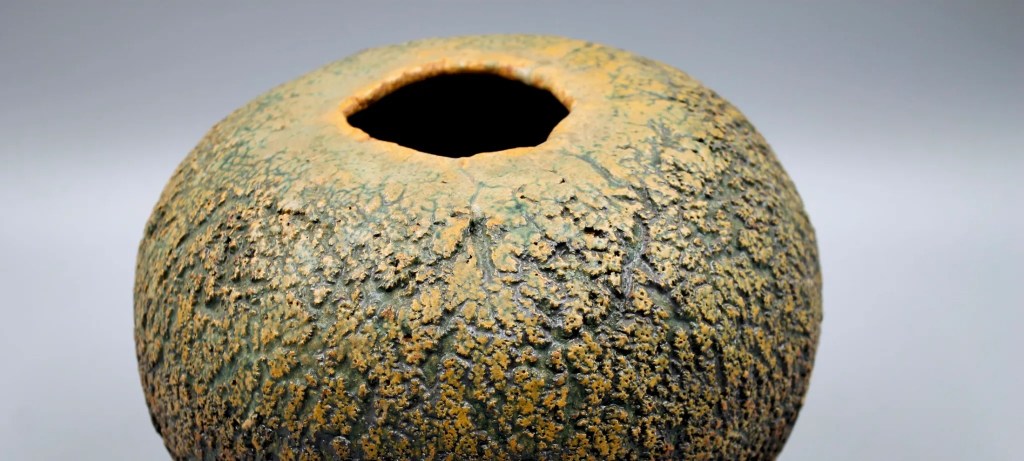

Safety Professionals and Resources

Keith Howard + (co-author F. Kiekeben), NY, 2003: The Contemporary Printmaker
Color Intaglio Type: Storm over Katrina
Press Play: The Art of Keith Howard
Four Color Halftone Intaglio Type
Intaglio Type Manual:
Photo Etching Reinvented | Etch Intaglio Type | Non-etch Intaglio Type
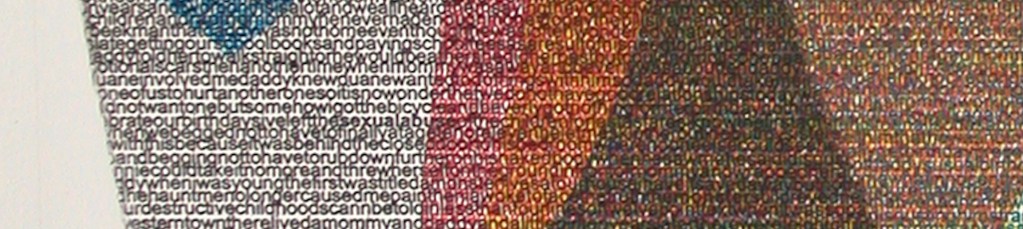
Beginners Compendium to Nontoxic Printmaking
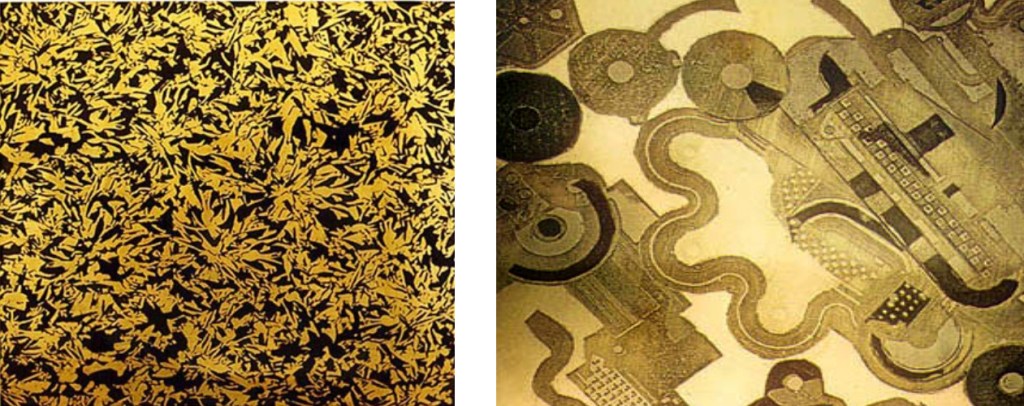
(etched brass objects; by: F Kiekeben / Eduardo Paolozzi)
The Edinburgh Etch: etch copper or brass
Metal Salt Etching – The Contemporary Printmaker, NY, 2003
Intaglio Manual (an extensive research text written by Friedhard Kiekeben, begun in 1994 when working at Edinburgh Printmakers): Metals | Plate Preparation | Hard Ground | Orono Ground (soft) | Aquatint | Dry Techniques | Intaglio Printing | Collagraph | Acrylic Wash | Mark Making | Preparing for Etching | Dissolving, Stripping and Saponification of Acrylics | The Acrylic Resist Etching Workshop | Color Printing | Safe Solvents | The Edinburgh Etch | Saline Sulfate Etch | Metal Salt Etching | Modern Aquatint | Innovative Hard and Soft Ground | Art and Collagraph | The Toxicity of Solvents | Intaglio Type | Drypoint and Dremel Tool Intaglio | Acrylic Hazards | Photo Etching Reinvented | Etch Intaglio Type | Non-etch Intaglio Type
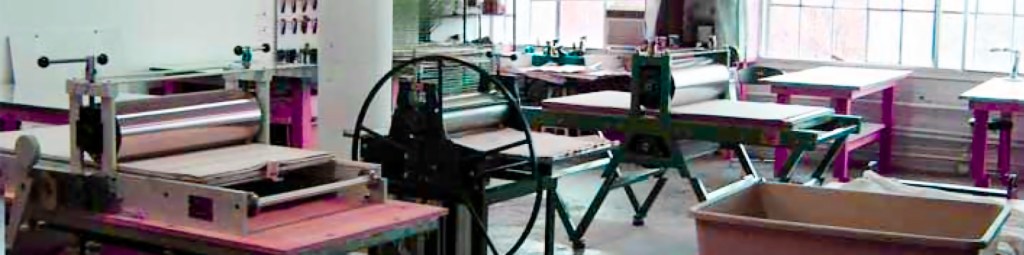
Ventilation of Toxic Substances
Safe Substitutions and Alternatives
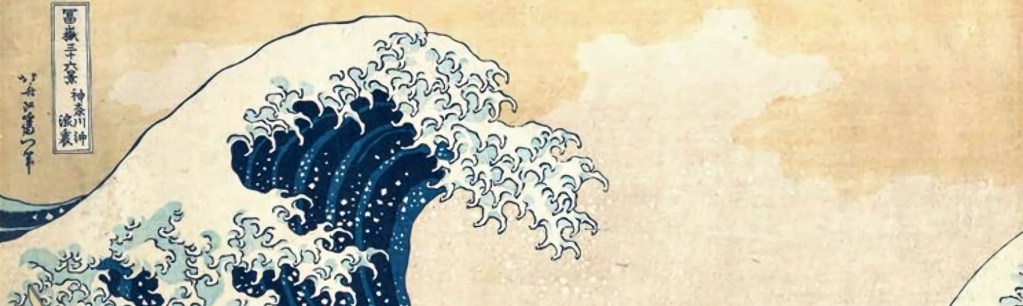
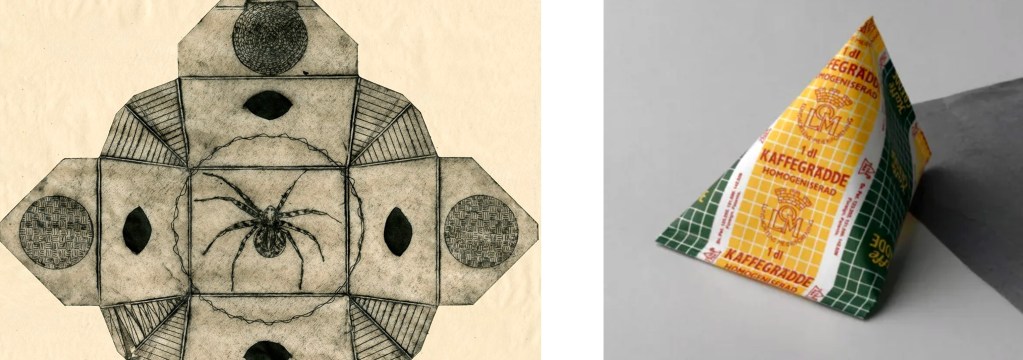
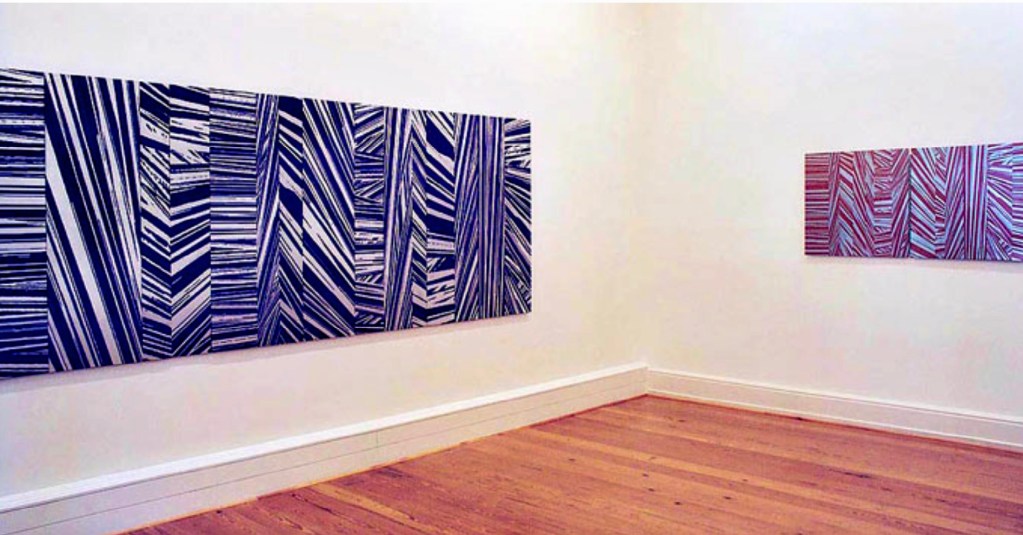
The Saline Sulfate Etch: etch aluminium, zinc, or steel
Metal Salts: The new Etching Chemistry
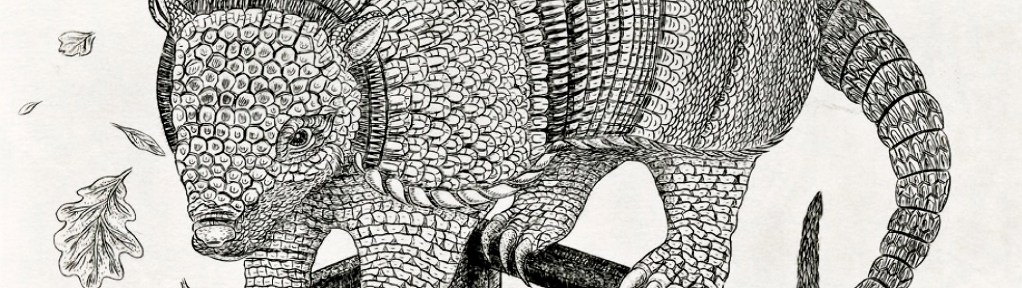
Regeneration of Saline Mordants
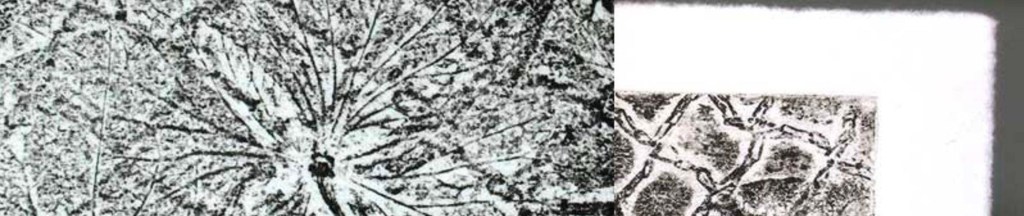

Playing with Polyester in 2024

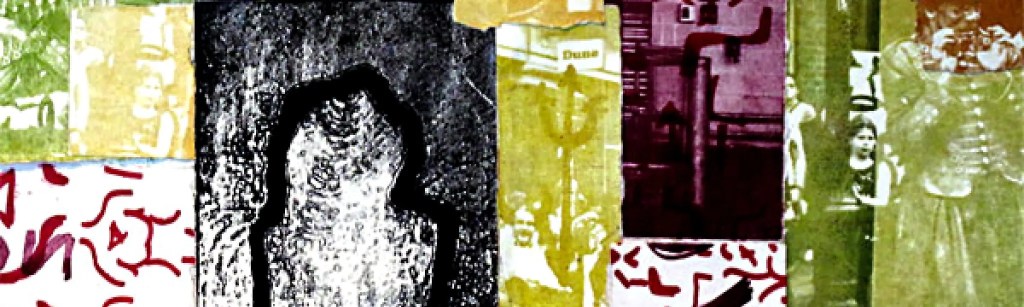
New Collagraphs : The Archeology Series
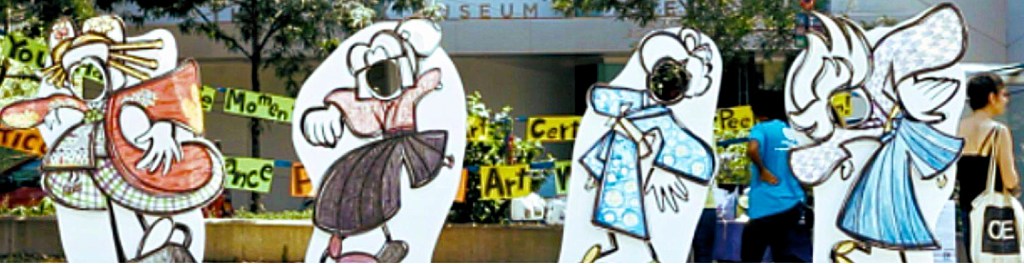
On Big Drawings a pandemic Discourse

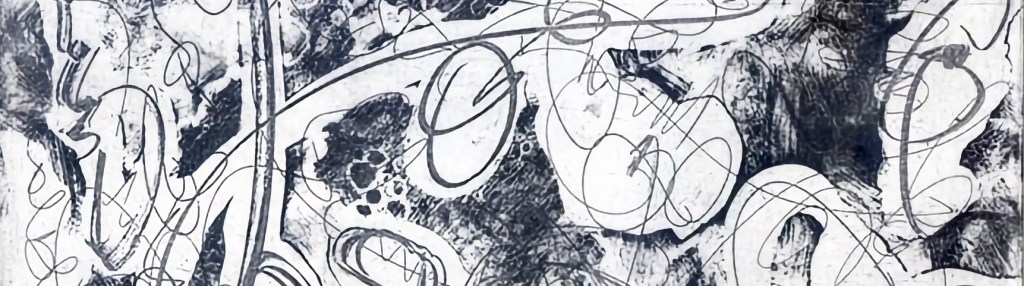
Electro Etching Basis – The Theory

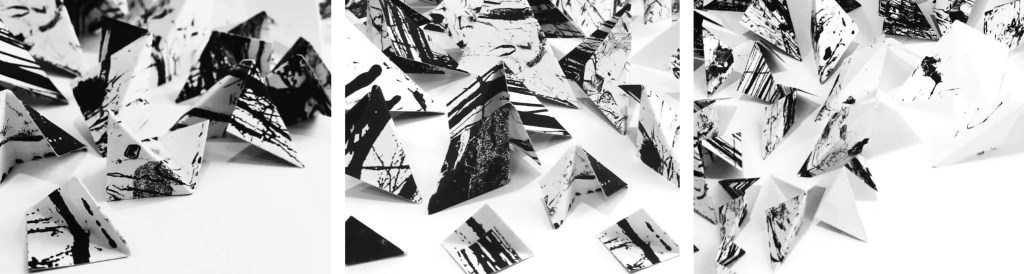
Passing Horizons – Malgorzata Oakes

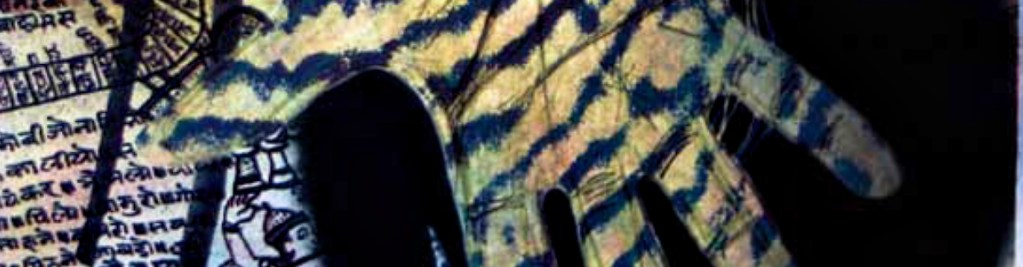
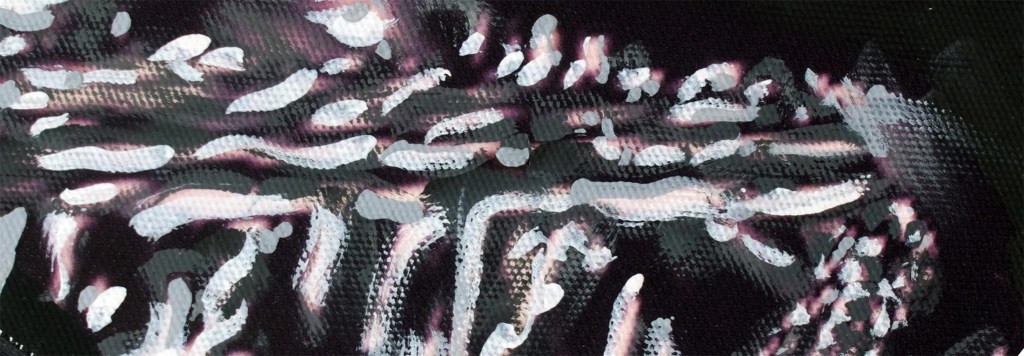
Water Mixable Oils: A Revolution

SAFER PAINTING: KEY PAGES
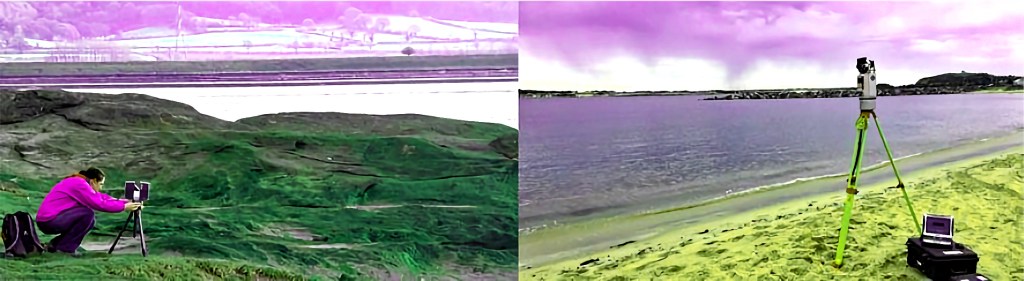

Solvent Based Silkscreen Printing

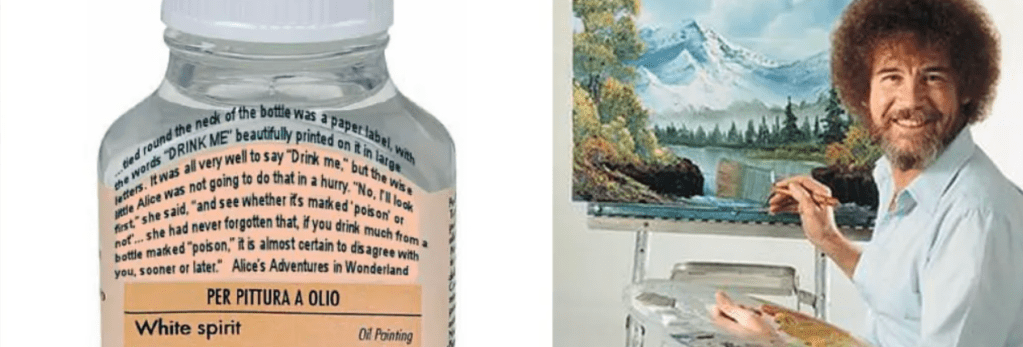
Solvents | Solvent Sickness | Safe Solvents
Letters about Hazardous Materials

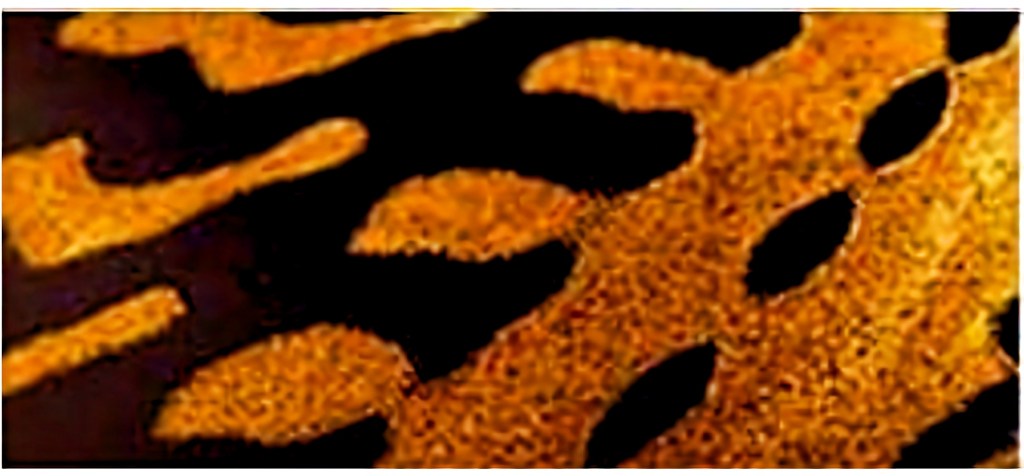
Innovative Hard and Soft Ground

Photopolymer Printmaking: Intaglio Type
Digital Halftone Intaglio Type
Photopolymer Plate Safety Concerns


Adhesives, Hot Glue, and Styrofoam
Safer Woodworking in Craft, Art, and Sculpture
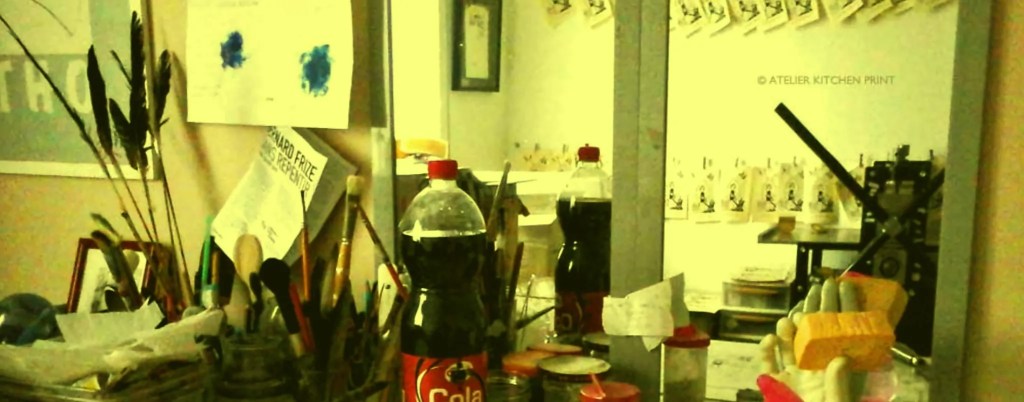
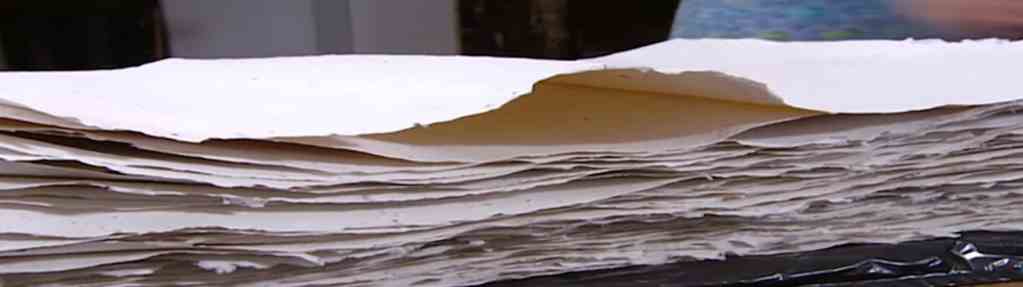

Printing Presses and Lead Type
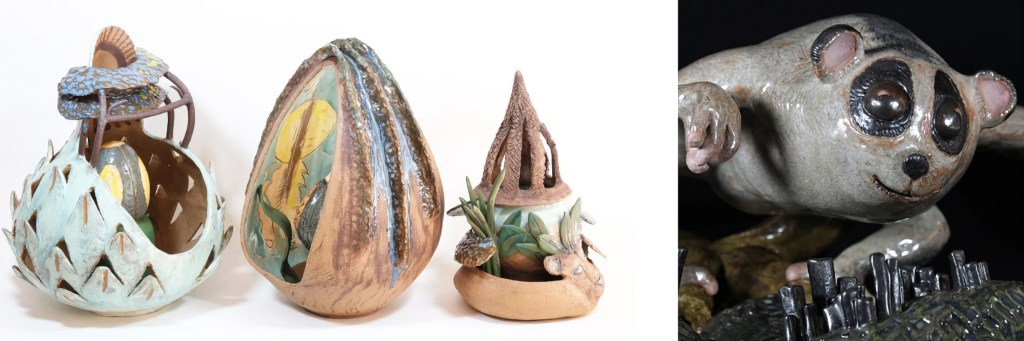
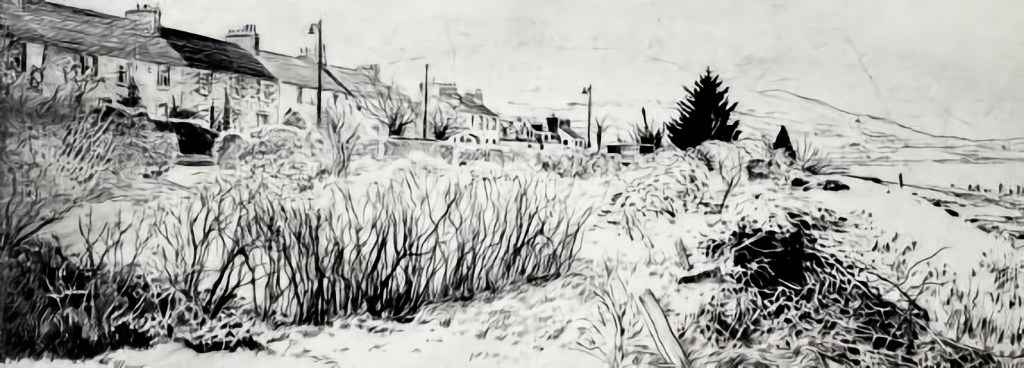
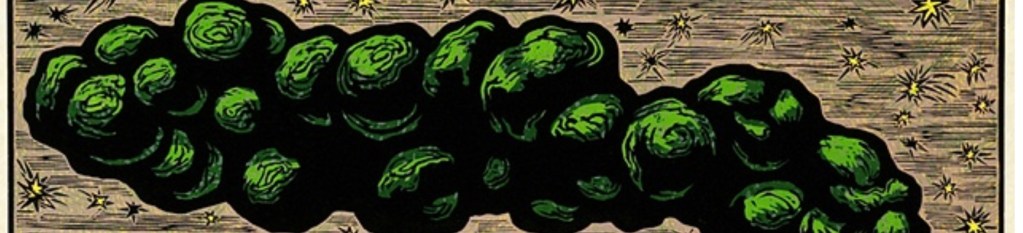
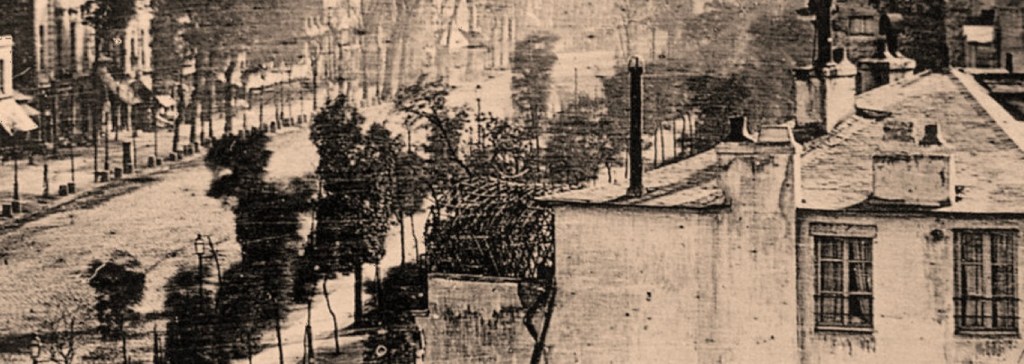
Historical Photography and Electro Etching
Friedhard Kiekeben’s Artwell Projects Studio, Indianapolis


Zea Mays Printmaking Studio (safe and sustainable printmaking)
Printmaking Nontoxic International FB Group
nontoxic-print
Is a private resource, published by an artist and researcher based in Indiana in collaboration with authors & advisors. Our mission is the advancement of knowledge and research in the field of safe and innovative art practices.
Founded online in 2003/04 by F. Kiekeben, J.H. Shaw, and Keith Howard. Published research in print 1989-2025.
Health in the Arts contributions by David Hinkamp, Michael McCann, Monona Rossol, Angela Babin, Merle Spandorfer
Articles on nontoxic-print are published and developed by invitation; We sometimes welcome other suggestions and submissions.
The information on this website is based on what the editors and individual authors believe to be examples of current safety-conscious practice. Progress in the field is ongoing, opinions vary, and new findings emerge frequently. Issues of health and improved working practices
affect everyone involved in making art, and this publication tries to offer a discourse beyond any perceived distinction between ‘innovative’ and ‘traditional’, ‘green’ or ‘toxic’.
Please feel free to use information from this site for your research and practice,
but please reference the copyright of authors and this website (www.nontoxic-print.com) in any materials you may wish to use. Individual users may download pages or pdf’s for personal use.
This is not a formal, official, or a comprehensive, safety site: we publish suggestions, research, and recommendations about good practice and new developments, both by experts
and by informed authors and lay persons.
Reprints and reproduction in other publications by agreement.

Regular users of paints, inks, pigments, and solvents are strongly advised to use all protective measures in all their work and look after their health; over thirty years of our research has shown that science and bodies such as the WHO often change advice to lay users on what’s toxic and what is not. (e.g. many materials advertised as ‘safe’ in the 1990s are now classed as ‘toxic’ due to medical findings). There are many instances where materials and processes were, or are seen, or are advertised as safe, benign, and of low toxicity, but are actually known to industry and scientists as being more harmful and dangerous to users than may be acknowledged in the public domain.
© 2003-2026